
Introduction
In the rapidly expanding digital economy, creators face the challenge of distributing and monetizing their digital products effectively. Whether it’s e-books, music, art, software, or other digital assets, the process of selling online often involves managing multiple tools, from e-commerce platforms to payment gateways. Tools like Sellfy emerged to address this need by offering a single platform that combines product hosting, sales management, and basic marketing functionalities. Understanding how these platforms work, their features, and their limitations is essential for creators seeking efficient ways to reach their audiences.
Digital commerce platforms simplify the interaction between creators and consumers by providing integrated solutions. They are designed to reduce the technical burden for users who may not have advanced web development or e-commerce experience. However, the suitability of a particular platform depends on the user’s objectives, product type, audience size, and willingness to navigate platform-specific constraints.
What Is Sellfy?
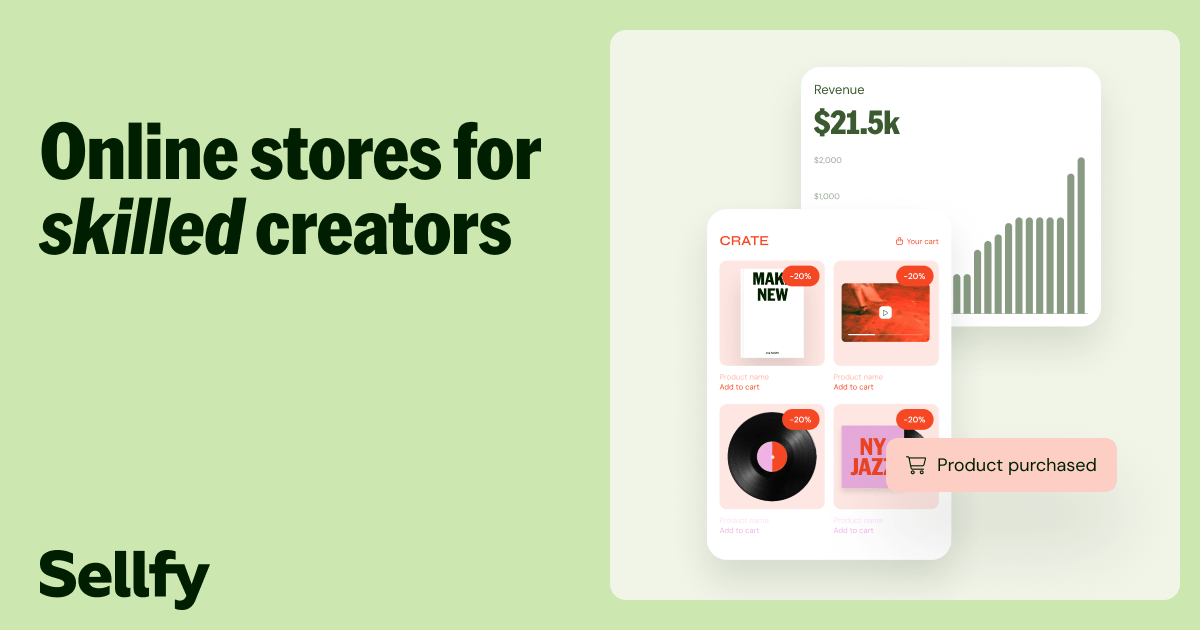
Sellfy is a digital commerce platform that allows creators to sell digital products, subscriptions, and physical goods online. Categorized primarily as an e-commerce platform for digital content, Sellfy is designed to simplify the process of monetizing digital assets without requiring extensive technical expertise.
Typically, Sellfy is used by:
- Independent creators such as writers, musicians, and visual artists.
- Small businesses offering digital downloads or print-on-demand products.
- Individuals seeking a straightforward way to sell digital subscriptions or memberships.
- Content producers aiming for a self-contained platform without integrating multiple external tools.
Sellfy provides a centralized environment where creators can manage their products, track sales, and engage with customers using built-in tools. Its primary goal is to streamline commerce workflows for individuals who prefer a managed, minimal-technical setup.
Key Features Explained
Sellfy provides several functionalities that support digital and physical product sales. Here is an analytical look at its core features:
1. Product Management
Sellfy allows users to upload digital files such as PDFs, MP3s, videos, and graphics. Creators can organize products into categories and add descriptions, which helps in cataloging and presenting content professionally. For physical products, the platform supports inventory tracking and product variations.
2. Payment Processing
The platform integrates with payment gateways to handle transactions, including credit card payments and PayPal. Payments are processed securely, and Sellfy facilitates automated delivery of digital products after purchase.
3. Storefront Customization
Sellfy offers a simple online storefront setup, including basic themes and customizable layouts. Users can present their products with minimal configuration, although advanced design customization is limited compared to dedicated website builders.
4. Marketing and Promotions
Sellfy includes tools for discount codes, email marketing, and social media integrations. These functionalities are intended to assist creators in promoting their products without requiring third-party marketing software. Analytics dashboards provide sales data and customer insights.
5. Subscription and Membership Support
For creators interested in recurring revenue models, Sellfy supports subscription-based products and membership access. This allows users to offer ongoing content updates or premium content to a designated audience.
6. Digital Delivery and Licensing
Automated digital delivery ensures that buyers receive purchased files instantly. Additionally, the platform allows creators to set license agreements for their content, managing how products can be used or redistributed.
Common Use Cases
Sellfy is utilized in multiple contexts, depending on the type of creator and the products offered. Some practical scenarios include:
- Independent Authors distributing e-books and audiobooks to a global audience without building a full website.
- Musicians and Podcasters selling tracks, albums, or exclusive recordings directly to listeners.
- Graphic Designers and Illustrators offering digital prints, templates, or design assets to clients.
- Small Businesses managing print-on-demand merchandise such as t-shirts, mugs, or posters.
- Educational Content Creators distributing course materials, worksheets, or tutorials.
The platform’s appeal lies in its integrated approach, allowing creators to focus on content production rather than technical store management.
Potential Advantages
Centralized Management
One of Sellfy’s potential benefits is the consolidation of sales, delivery, and marketing tools in a single environment. This reduces the complexity of managing multiple software subscriptions.
Rapid Product Deployment
For creators without extensive web development experience, Sellfy allows fast setup and immediate product availability. Digital delivery automation ensures that buyers receive products promptly.
Subscription Flexibility
The ability to create recurring revenue streams through subscriptions or memberships provides an option for creators who wish to monetize ongoing content.
Simplified Analytics
Built-in analytics help creators track sales trends, understand customer behavior, and adjust product offerings accordingly, although these insights are relatively basic compared to advanced analytics platforms.
Limitations & Considerations
Platform Customization
While Sellfy offers basic storefront customization, creators seeking highly unique or feature-rich designs may find the customization options limiting. For extensive website personalization, integrating Sellfy with external website builders may be necessary.
Pricing Structure
Sellfy operates on a subscription model. Creators must evaluate whether recurring fees align with expected revenue, especially if sales volumes are low. Transaction fees vary depending on subscription tiers and payment methods.
Learning Curve
Though user-friendly for beginners, new users may encounter a learning curve when configuring subscriptions, integrating email marketing, or setting up advanced product variants. Documentation and customer support are available but may require time to navigate.
Product Scope
The platform is primarily designed for digital goods. While it does support some physical product sales, larger-scale e-commerce operations may require specialized platforms with comprehensive inventory, shipping, and fulfillment management.
Customer Support
Sellfy offers customer support through email and documentation resources. Users requiring immediate or personalized assistance may find response times variable.
Who Should Consider Sellfy
- Independent creators seeking a simple, all-in-one solution for digital product sales.
- Small businesses or hobbyists aiming to sell limited quantities of digital or print-on-demand products.
- Users who prefer minimal technical setup and a managed platform environment.
- Content producers interested in exploring subscription-based revenue models.
Who May Want to Avoid It
- Large-scale e-commerce operations needing extensive inventory management or advanced store customization.
- Creators seeking deep website design flexibility or complex integrations with other software.
- Individuals for whom subscription costs or platform limitations outweigh potential revenue.
- Businesses requiring highly specialized analytics or customer relationship management.
Comparison With Similar Sellfy
Sellfy exists alongside other digital commerce platforms, each with different strengths:
- Gumroad – Offers similar digital product sales, emphasizing ease of use and flexible payouts. Gumroad may have fewer customization options but lower subscription overhead for small-scale sellers.
- Shopify – A broader e-commerce solution with advanced customization, inventory, and marketing features. More suitable for businesses that sell both digital and physical products extensively.
- E-junkie – Focused on digital delivery and affiliate management, offering alternative integrations for creators with multiple sales channels.
Unlike these alternatives, Sellfy positions itself as an accessible, self-contained environment with basic storefront and marketing tools aimed at independent creators and small businesses.
Final Educational Summary
Sellfy represents a practical solution for digital content creators seeking a streamlined platform for product sales and basic marketing. It consolidates several essential functions, including product management, payment processing, storefront setup, and analytics, into a single interface. Its appeal is strongest for small-scale creators or individuals looking to minimize technical complexity while maintaining control over product distribution.
At the same time, Sellfy has clear limitations in customization, scalability, and specialized e-commerce features. It is not intended to replace comprehensive e-commerce platforms for larger operations or for users requiring advanced integrations. Evaluating Sellfy objectively requires consideration of the creator’s product type, audience size, technical expertise, and desired features. Independent research and careful assessment are recommended before integrating it into a digital commerce strategy.
This overview is for informational purposes and aims to help readers understand how Sellfy functions, the contexts in which it is used, and its potential advantages and limitations. Readers should evaluate tools based on their own requirements and conduct further research to ensure alignment with their objectives.
Disclosure: This article is for educational and informational purposes only. Some links on this website may be affiliate links, but this does not influence our editorial content or evaluations.
