
Introduction
Visual identity plays a central role in how organizations, projects, and individuals present themselves in digital and physical environments. Logos, in particular, serve as condensed representations of brand identity, often carrying symbolic, aesthetic, and communicative value. However, traditional logo design processes—whether through professional designers or agencies—can involve considerable time, cost, and iterative communication.
In response to these constraints, a category of digital tools has emerged that focuses on automated or semi-automated logo generation. These platforms typically rely on design templates, user inputs, and increasingly, artificial intelligence. Their purpose is to reduce the complexity of design workflows while making visual branding more accessible.
Logome.ai belongs to this category of AI-powered logo creation tools. Its development reflects broader shifts in design technology, where algorithmic systems assist in generating creative outputs based on structured input.
What Is Logome.ai?
Logome.ai is an online logo generation platform that uses artificial intelligence to create brand visuals based on user-provided information. It is commonly categorized under AI logo makers or automated branding tools. Unlike traditional graphic design software that requires manual creation from scratch, Logome.ai operates by combining user preferences with pre-trained design models.
The platform typically asks users to input details such as brand name, industry type, preferred color schemes, and stylistic directions. Based on this data, it generates multiple logo variations. These outputs can then be reviewed, adjusted, or exported.
Logome.ai is part of a broader ecosystem of digital design tools aimed at simplifying branding tasks. It aligns with trends in no-code or low-code platforms, where users without formal design training can produce visual assets.
Key Features Explained
AI-Based Logo Generation
At the core of Logome.ai is its algorithm-driven design engine. This system processes structured input—such as keywords, industry categories, and visual preferences—to generate logo concepts. The AI does not design in a human sense but instead recombines learned design patterns from existing datasets.
This feature reduces the need for manual sketching or conceptual ideation, which traditionally forms the first stage of logo design.
Customization Options
After initial logo generation, users are typically provided with editing tools. These may include adjustments to:
- Typography styles
- Color palettes
- Icon selection
- Layout positioning
While customization is available, it usually operates within predefined constraints, ensuring outputs remain consistent with design templates.
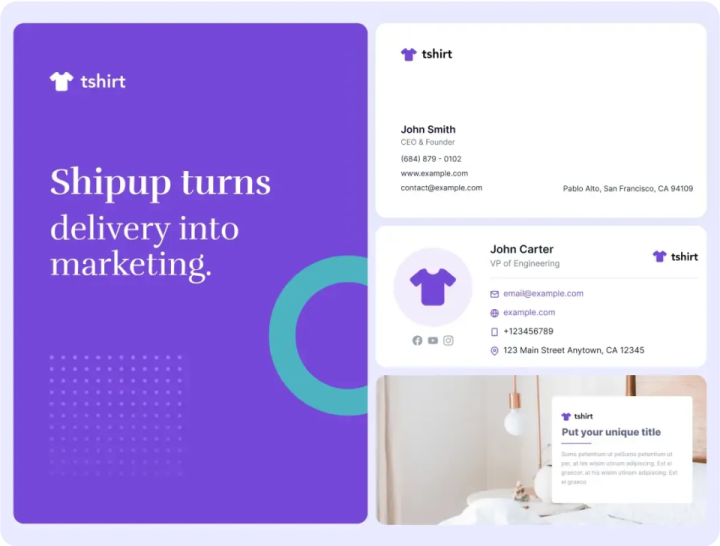
Brand Kit Generation
Some AI logo platforms, including Logome.ai, extend beyond logo creation to include brand kit elements. These may involve:
- Business card mockups
- Social media profile visuals
- Typography guidelines
- Color usage references
This feature reflects an integrated approach to branding rather than focusing solely on a standalone logo.
Template-Based Design Framework
Logome.ai relies on structured templates that guide the composition of logos. These templates ensure alignment, spacing, and visual balance, which are often challenging for non-designers to achieve manually.
Templates also contribute to speed, allowing rapid generation of multiple design options within seconds.
Export and File Formats
Generated logos can typically be exported in various file formats such as PNG or vector-based files. Vector formats are especially relevant for scalability, allowing logos to be resized without loss of quality.
The availability of multiple formats supports use across different media, including websites, print materials, and digital platforms.
Common Use Cases
Early-Stage Branding for Startups
New businesses often require quick visual identities for initial launches. Logome.ai can be used to create provisional logos that support early marketing efforts, especially when resources are limited.
Personal Projects and Freelance Work
Freelancers, bloggers, and independent creators frequently use AI logo tools to establish visual consistency across platforms. This includes portfolio websites, social media branding, and digital products.
Prototyping and Concept Testing
Designers and entrepreneurs may use Logome.ai to explore multiple design directions before committing to a final concept. The rapid generation capability allows comparison of styles and themes.
Educational and Learning Contexts
Students studying branding, marketing, or design may use such tools to understand the relationship between input parameters and visual output. This can serve as a supplementary learning method alongside traditional design principles.
Small-Scale Business Operations
Local businesses or service providers often need simple branding without extensive customization. AI-generated logos can fulfill basic identity requirements in such contexts.
Potential Advantages
Accessibility for Non-Designers
One of the primary benefits of Logome.ai is its usability. Individuals without formal design training can generate logos without learning complex software tools such as vector-based editors.
Time Efficiency
Traditional logo design can take days or weeks, depending on revisions and collaboration. Logome.ai significantly reduces this timeline, producing results within minutes.
Cost Considerations
Compared to hiring professional designers, AI tools generally require lower financial investment. This makes them relevant for individuals or organizations operating under budget constraints.
Rapid Iteration
Users can generate multiple variations quickly, allowing them to experiment with different styles, colors, and layouts. This iterative capability supports exploratory design processes.
Integration With Digital Workflows
Because Logome.ai operates online, it can be integrated into broader digital workflows, including website creation, social media management, and digital marketing.
Limitations & Considerations
Limited Originality
AI-generated logos often rely on existing design patterns. As a result, outputs may lack uniqueness, particularly when compared to custom-designed logos created by experienced designers.
Template Constraints
While templates ensure visual consistency, they also restrict creative flexibility. Users may find it difficult to achieve highly specific or unconventional designs.
Branding Depth
A logo is only one component of a broader branding strategy. AI tools typically do not address deeper aspects such as brand storytelling, audience psychology, or long-term identity development.
Dependence on Input Quality
The quality of generated logos depends heavily on user input. Vague or inconsistent inputs may result in less coherent designs.
Potential Similarities Across Outputs
Because many users interact with the same system, there is a possibility of visual overlap between logos generated for different users.
Who Should Consider Logome
Individuals Seeking Quick Visual Identity
Users who need a functional logo within a short timeframe may find Logome.ai suitable. This includes early-stage entrepreneurs and independent creators.
Budget-Conscious Users
Those unable or unwilling to invest in professional design services may use AI tools as an alternative.
Users Exploring Design Options
Logome.ai can serve as a starting point for individuals who want to visualize different branding directions before refining their identity.
Educational Users
Students or educators examining digital design tools may use the platform as a case study in AI-assisted creativity.
Who May Want to Avoid It
Established Brands Requiring Unique Identity
Organizations with established market presence often require highly distinctive branding. In such cases, custom design processes may be more appropriate.
Designers Seeking Full Creative Control
Professional designers who prefer manual creation and detailed customization may find AI-generated outputs restrictive.
Complex Branding Projects
Projects that involve extensive brand narratives, multi-platform integration, and strategic positioning may require a more comprehensive design approach.
Comparison With Similar Tools
AI logo generation platforms vary in terms of customization, output quality, and feature sets. Logome.ai shares similarities with other tools in the same category but also exhibits distinctions.
Automation vs. Customization Balance
Some tools prioritize automation with minimal user input, while others allow deeper customization. Logome.ai appears to balance these aspects by offering both automatic generation and editable elements.
Brand Kit Integration
Not all platforms extend beyond logo creation. Tools that include brand kits provide a more holistic solution. Logome.ai’s inclusion of branding elements places it within a more comprehensive subset of AI design tools.
Interface Simplicity
Ease of use varies across platforms. Logome.ai is designed for accessibility, making it usable for individuals with minimal technical experience.
Output Diversity
Different tools generate varying levels of design diversity. The effectiveness of this feature depends on the underlying AI model and template range.
File Export Options
Some platforms restrict file formats or resolution. Logome.ai’s export capabilities align with standard expectations for digital and print usage.
Final Educational Summary
Logome.ai represents a growing class of AI-powered design tools aimed at simplifying the process of logo creation. By combining structured user input with algorithmic design systems, it enables rapid generation of visual identities without requiring advanced design skills.
Its strengths lie in accessibility, speed, and cost efficiency. These characteristics make it particularly relevant for early-stage projects, small businesses, and individuals seeking functional branding solutions. At the same time, limitations such as reduced originality and constrained customization highlight the boundaries of automated design.
The broader significance of tools like Logome.ai lies in their role within the evolving landscape of digital creativity. As artificial intelligence continues to influence design workflows, understanding both its capabilities and constraints becomes increasingly important.
For users evaluating AI logo makers, the decision often depends on context: the scale of the project, the need for uniqueness, and the available resources. Logome.ai provides one pathway within this spectrum, illustrating how automation can intersect with creative processes.
Disclosure: This article is for educational and informational purposes only. Some links on this website may be affiliate links, but this does not influence our editorial content or evaluations.
