
Introduction
As digital products scale, managing customer communication becomes increasingly complex. Startups and growing technology companies often face fragmented support systems, where conversations are scattered across email, chat, and internal tools. This fragmentation leads to inefficiencies, delayed responses, and difficulty maintaining context across interactions.
The category of customer support infrastructure tools has emerged to address these challenges. These platforms aim to centralize communication, streamline workflows, and provide teams with better visibility into user issues. Rather than functioning solely as helpdesk systems, modern tools in this space often integrate deeply with product and engineering workflows.
Within this category, Pylon represents a newer generation of support tooling designed to align closely with product development environments and internal collaboration systems.
What Is Pylon?
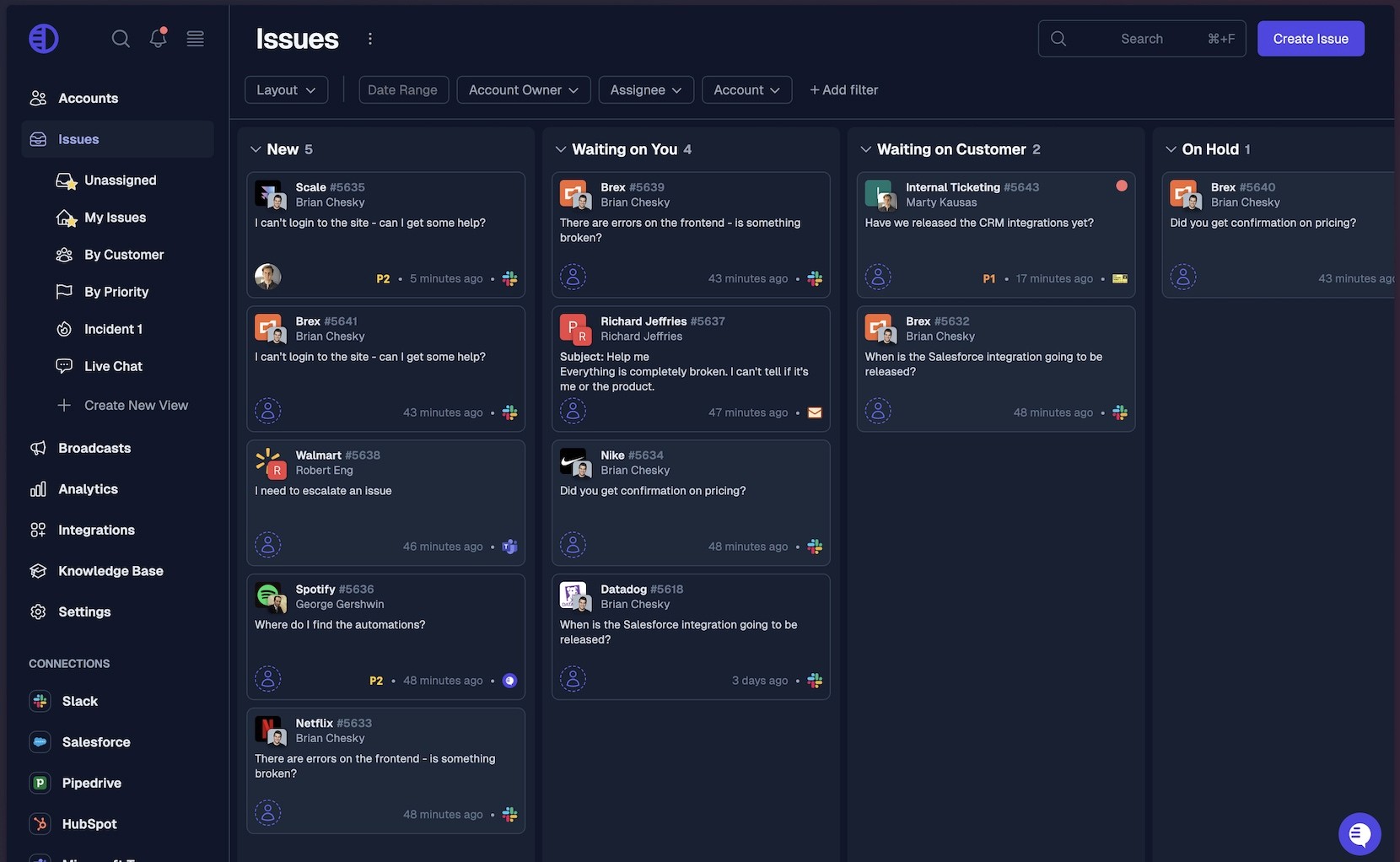
Pylon is a customer support platform built primarily for technology-focused teams, particularly startups and SaaS companies. It is designed to consolidate customer communication channels—such as email and messaging—into a unified interface while integrating with internal tools commonly used by engineering and product teams.
Unlike traditional helpdesk software that prioritizes ticket management and customer service workflows, Pylon positions itself closer to a “support infrastructure layer.” This means it emphasizes collaboration between support, engineering, and product teams, often leveraging tools like Slack and GitHub to connect conversations with development processes.
From a classification perspective, Pylon falls into the broader category of:
- Customer support software
- Helpdesk and ticketing systems
- Developer-centric support tools
- SaaS operations platforms
Its design reflects the needs of companies that prioritize rapid iteration, technical debugging, and direct communication with users.
Key Features Explained
Unified Communication Interface
Pylon aggregates multiple communication channels into a single workspace. Emails, customer messages, and internal notes can be managed without switching between tools. This unified approach reduces context switching and helps teams maintain continuity in conversations.
Slack-Centric Workflow Integration
One distinguishing aspect of Pylon is its deep integration with Slack. Instead of forcing teams to operate within a separate dashboard, it enables support workflows directly inside Slack channels. Messages can be converted into tickets, assigned, and tracked without leaving the collaboration environment.
Ticketing System with Context Preservation
While Pylon includes a ticketing system, its structure focuses on preserving conversation context. Threads, internal discussions, and customer messages are linked together, allowing teams to trace the full history of an issue.
Collaboration Between Support and Engineering
Pylon facilitates communication between customer-facing teams and developers. Issues reported by users can be escalated, discussed, and tracked within the same system, reducing delays caused by handoffs between departments.
Workflow Automation
Automation features help teams manage repetitive tasks such as tagging, routing, and assigning conversations. These workflows can be customized to align with team structures and support processes.
Integration with Development Tools
Pylon connects with tools commonly used in software development, such as version control platforms. This allows teams to associate customer issues with code changes, bug fixes, or feature updates.
Internal Notes and Knowledge Sharing
The platform allows teams to add internal comments and documentation within conversations. This supports knowledge sharing and ensures that insights from past interactions remain accessible.
Common Use Cases
Early-Stage SaaS Companies
Startups often lack the resources to manage complex support systems. Pylon provides a streamlined way to handle customer communication while integrating with tools already in use, such as Slack.
Developer-Focused Support Teams
Companies with technically complex products benefit from Pylon’s ability to connect support tickets with engineering workflows. This reduces the gap between issue reporting and resolution.
Product Feedback Collection
Customer conversations frequently contain valuable feedback. Pylon helps teams organize and track this feedback, making it easier to identify recurring issues or feature requests.
Internal Collaboration on Customer Issues
Support teams often need input from product managers or engineers. Pylon enables collaborative discussions within the same platform, reducing reliance on external communication channels.
Managing High-Volume Conversations
As user bases grow, handling large volumes of messages becomes challenging. Pylon’s automation and centralized interface help teams manage increased demand without losing organization.
Potential Advantages
Reduced Context Switching
By consolidating communication and integrating with existing tools, Pylon minimizes the need to switch between multiple platforms. This can improve efficiency and reduce cognitive load for team members.
Alignment Between Teams
Pylon’s design encourages collaboration between support, engineering, and product teams. This alignment can lead to faster issue resolution and more informed decision-making.
Improved Visibility
Centralized data allows teams to track conversations, identify trends, and monitor response times. This visibility supports better operational oversight.
Flexibility for Technical Workflows
The platform is particularly suited for teams that require technical context when handling support issues. Its integration with development tools makes it easier to connect user feedback with product changes.
Scalability for Growing Teams
As companies expand, their support needs evolve. Pylon’s automation and structured workflows can help accommodate increasing complexity without requiring a complete system overhaul.
Limitations & Considerations
Learning Curve for Non-Technical Teams
Pylon’s integration with developer tools and Slack-based workflows may be less intuitive for teams without technical backgrounds. Organizations with traditional customer service structures may require additional onboarding.
Dependence on Existing Tool Ecosystems
The platform is most effective when used alongside tools like Slack. Teams that rely on different collaboration systems may not experience the same level of integration.
Feature Scope Compared to Traditional Helpdesks
While Pylon offers strong collaboration features, it may lack some of the advanced customer service functionalities found in established helpdesk platforms, such as extensive reporting dashboards or built-in CRM capabilities.
Customization Limitations
Depending on organizational needs, some teams may find customization options limited compared to more mature enterprise solutions.
Suitability for Large Enterprises
Pylon is often tailored toward startups and mid-sized companies. Larger enterprises with complex support hierarchies may require more robust systems.
Who Should Consider Pylon
Startups Building SaaS Products
Companies in early growth stages that need a lightweight yet structured support system may find Pylon aligned with their workflows.
Engineering-Driven Organizations
Teams where engineers frequently interact with customer issues can benefit from Pylon’s integration with development tools.
Slack-Centric Work Environments
Organizations that rely heavily on Slack for internal communication may appreciate the ability to manage support tasks within the same platform.
Product Teams Focused on User Feedback
Pylon can serve as a bridge between customer insights and product development, making it useful for teams prioritizing iterative improvement.
Who May Want to Avoid It
Traditional Customer Service Teams
Organizations focused on call centers or non-technical support environments may prefer tools designed specifically for those workflows.
Large Enterprises with Complex Structures
Companies requiring extensive reporting, compliance features, or multi-layered support hierarchies may find other platforms more suitable.
Teams Without Slack Integration
If Slack is not a core part of the workflow, some of Pylon’s key advantages may be less impactful.
Businesses Needing Advanced CRM Features
Pylon is not primarily a customer relationship management system. Companies requiring deep CRM capabilities may need additional tools.
Comparison With Similar Tools
Pylon vs Zendesk
Zendesk is a well-established helpdesk platform with a wide range of features, including analytics, automation, and customer engagement tools. Pylon, in contrast, focuses more on internal collaboration and developer integration rather than comprehensive customer service management.
Pylon vs Intercom
Intercom emphasizes customer messaging, onboarding, and marketing automation. While it includes support features, its primary focus differs from Pylon’s infrastructure-oriented approach.
Pylon vs Help Scout
Help Scout provides a simplified helpdesk experience with an emphasis on email-based support and customer communication. Pylon offers deeper integration with engineering workflows, making it more suitable for technical teams.
Pylon vs Freshdesk
Freshdesk includes extensive features for ticketing, automation, and reporting. Pylon’s strength lies in its ability to connect support conversations with internal development processes rather than offering a broad feature set.
Final Educational Summary
Pylon represents a shift in how customer support tools are designed for modern software teams. Instead of functioning solely as ticket management systems, platforms like Pylon integrate support directly into the broader operational and development ecosystem.
Its emphasis on Slack-based workflows, collaboration between teams, and integration with development tools reflects the evolving needs of SaaS companies. By centralizing communication and preserving context, it aims to reduce inefficiencies and improve alignment across departments.
However, its suitability depends heavily on organizational structure and workflow preferences. While it offers advantages for technical teams and startups, it may not address the requirements of traditional customer service environments or large enterprises.
Understanding where Pylon fits within the broader landscape of support tools is essential for evaluating its relevance to specific use cases.
Disclosure: This article is for educational and informational purposes only. Some links on this website may be affiliate links, but this does not influence our editorial content or evaluations.
