
Introduction
Digital businesses increasingly depend on measurable user actions such as sign-ups, purchases, and form submissions. While traffic acquisition remains important, many organizations now focus on improving how existing visitors interact with their websites. This practice is commonly known as conversion rate optimization (CRO). Conversion Wax is a software platform designed to support this process by offering tools that help analyze visitor behavior, test changes, and evaluate performance outcomes.
This article provides a structured, non-promotional overview of Conversion Wax. It explains what the platform is, how it functions, the types of tools it offers, and where it may fit within a broader digital analytics and optimization workflow. The goal is to inform readers rather than persuade them, allowing independent evaluation of its relevance.
Learn More About Conversion Wax
What Is Conversion Wax?
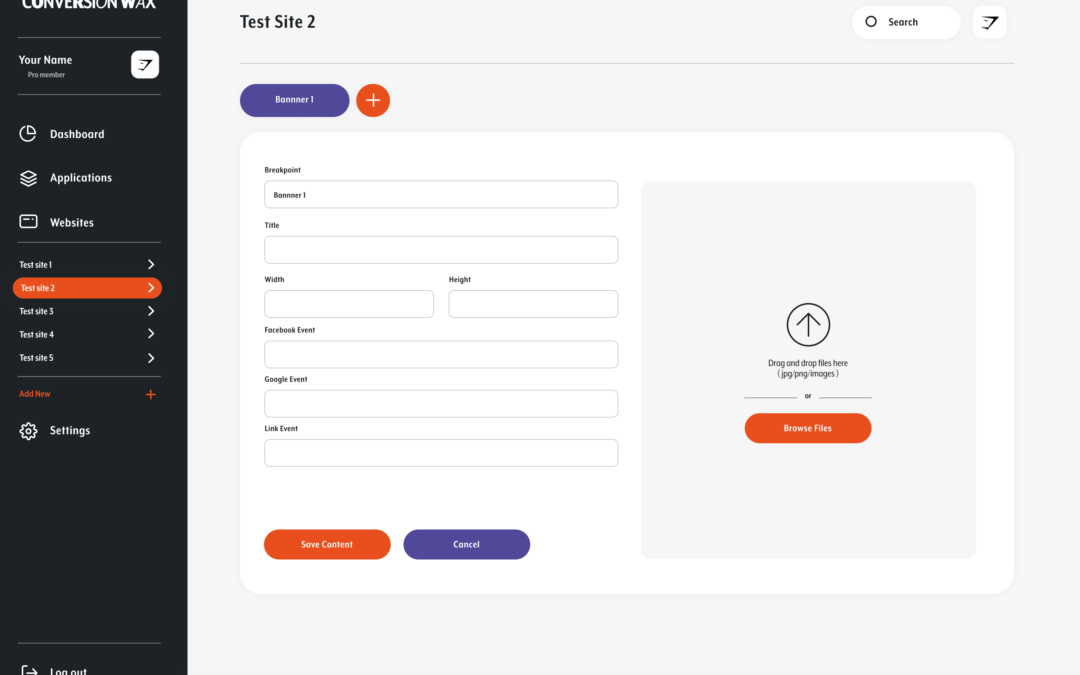
Conversion Wax is a web-based conversion optimization platform focused on improving user engagement and measurable actions on websites and landing pages. It is primarily used by marketers, product teams, and website managers who want to understand how users interact with digital content and how design or content changes affect outcomes.
Rather than functioning as a general analytics tool, Conversion Wax concentrates on optimization-specific activities such as testing variations, analyzing visitor behavior patterns, and identifying friction points in user journeys. It typically operates alongside existing analytics platforms rather than replacing them.
Core Purpose and Use Case
The central purpose of Conversion Wax is to help organizations make data-driven decisions about website improvements. Instead of relying on assumptions or visual preferences, teams can use observable user behavior and test results to guide changes.
Typical use cases include:
- Improving landing page performance
- Increasing form completion rates
- Optimizing checkout or sign-up flows
- Evaluating the impact of design or copy changes
- Reducing bounce rates on key pages
The platform is generally used after traffic has already been established, focusing on making better use of existing visitors.
Key Features and Functional Areas
A/B and Multivariate Testing
One of the primary functions of Conversion Wax is experimentation. The platform allows users to create multiple versions of a webpage or page element and split traffic between them. Performance is then measured based on predefined goals such as clicks, conversions, or time spent.
This feature helps teams compare alternatives in a structured way, reducing guesswork in design and content decisions.
User Behavior Analysis Wax
Conversion Wax includes tools designed to observe how visitors interact with pages. These may include:
- Click tracking
- Scroll behavior analysis
- Interaction heatmaps
- Session-level behavior summaries
Such data helps identify which elements attract attention, which are ignored, and where users may encounter difficulties.
Funnel and Journey Insights
Understanding where users drop off during multi-step processes is critical for optimization. Conversion Wax supports funnel analysis, allowing teams to view conversion paths step by step. This makes it easier to isolate stages that require improvement.
For example, a form with multiple fields can be analyzed to determine which step causes the most abandonment.
Segmentation and Targeting
Different user groups often behave differently. Conversion Wax enables segmentation based on factors such as device type, traffic source, geography, or returning vs. new visitors. This allows more accurate interpretation of results and more relevant testing strategies.
Segmented analysis helps prevent misleading conclusions based on averaged data.
Performance Measurement and Reporting
Testing and behavior insights are supported by reporting features that summarize outcomes in a structured format. Metrics are typically presented in dashboards or reports that track:
- Conversion rate changes
- Statistical confidence
- User engagement patterns
- Test performance over time
These reports assist in communicating findings across teams and documenting optimization decisions.
Implementation and Workflow Integration
Conversion Wax is designed to integrate into existing digital workflows with minimal disruption. It usually requires adding a script or configuration layer to the website, after which tests and tracking can be managed through a centralized interface.
The platform often complements tools such as:
- Web analytics software
- Content management systems
- Advertising platforms
- Email marketing tools
By integrating with these systems, Conversion Wax becomes part of a broader measurement and optimization ecosystem.
Usability and Learning Curve
From a usability standpoint, Conversion Wax aims to balance technical capability with accessibility. While basic tests and visual changes may be manageable for non-technical users, more advanced experimentation often benefits from technical or analytical experience.
The learning curve depends on:
- Familiarity with CRO concepts
- Experience with analytics tools
- Complexity of testing goals
Teams new to conversion optimization may require time to interpret results accurately and avoid common testing mistakes.
Data Reliability and Decision Quality
As with any experimentation platform, the quality of insights produced by Conversion Wax depends on correct setup and sufficient data volume. Small sample sizes or poorly defined goals can lead to unreliable conclusions.
Responsible usage involves:
- Defining clear success metrics
- Allowing tests to run long enough
- Avoiding overlapping experiments
- Interpreting results within context
The platform provides tools, but strategic judgment remains necessary.
Potential Limitations
While Conversion Wax offers specialized optimization features, it may not cover every analytical need. Some potential limitations include:
- Dependence on sufficient traffic for meaningful results
- Limited usefulness for very small or low-traffic websites
- Need for external analytics tools for broader insights
- Requirement for internal expertise to maximize value
Understanding these boundaries helps organizations determine appropriate use cases.
Who Typically Uses Conversion Wax?
Conversion Wax is commonly used by:
- Digital marketing teams
- Product optimization specialists
- UX and CRO professionals
- E-commerce managers
- SaaS growth teams
It is less commonly used as a standalone solution and more often as a component of a data-driven optimization strategy.
Role in a Long-Term Optimization Strategy
Conversion optimization is an ongoing process rather than a one-time task. Platforms like Conversion Wax support iterative improvement by enabling continuous testing, measurement, and refinement.
Over time, accumulated insights can inform broader decisions about design standards, messaging frameworks, and user experience principles.
Conclusion
Conversion Wax is a focused conversion rate optimization platform designed to support experimentation, behavior analysis, and data-informed decision-making. It does not replace general analytics tools but complements them by concentrating on how changes affect user actions.
Its effectiveness depends less on the software itself and more on how thoughtfully it is implemented and interpreted. For organizations committed to systematic optimization, Conversion Wax represents one approach to understanding and improving digital performance through measured experimentation.
Disclosure
This article is provided for educational and informational purposes only. It does not constitute advertising, endorsement, or promotional content. The information presented is based on publicly available descriptions and general understanding of conversion rate optimization tools. No guarantees are made regarding performance, suitability, or outcomes resulting from the use of any software or service discussed. Readers are encouraged to conduct their own independent evaluation before making technical or business decisions.