
Introduction
Voice content is growing across podcasts, online courses, audiobooks, games, and customer support systems. However, producing professional voice recordings can be expensive and time-consuming. Hiring voice actors, setting up recording equipment, editing audio, and managing multilingual versions often require significant resources.
AI voice generation platforms attempt to reduce these barriers by converting text into realistic speech. One of the most recognized names in this space is ElevenLabs, a company focused on advanced speech synthesis and voice cloning technology.
What Is ElevenLabs?
ElevenLabs is a cloud-based AI audio platform that specializes in:
- Text-to-Speech (TTS)
- Voice cloning
- Speech-to-text transcription
- Conversational voice agents
- Multilingual audio generation
- Developer APIs for integration
The platform is designed for both individual creators and companies that need scalable voice production.
It operates entirely online, meaning users generate audio through a browser dashboard or API access.
Text-to-Speech Platforms Comparison
Key Features Explained
1. Text-to-Speech Engine
The core feature of ElevenLabs is its AI text-to-speech engine. Users input text, choose a voice, adjust settings such as stability and style, and generate natural-sounding speech.
The voices aim to include emotion, pacing, and intonation that resemble human speech patterns.
2. Voice Cloning
Voice cloning allows users to create a synthetic voice model from recorded samples. After uploading audio recordings, the system learns speech patterns and can reproduce similar voice output from new text.
There are usually different cloning levels, such as:
- Instant cloning (short sample)
- Professional cloning (higher-quality dataset)
This feature requires careful ethical and legal consideration.
3. Multilingual Support
The platform supports multiple languages and accents. This makes it useful for:
- Content localization
- Dubbing
- International product releases
- Multilingual customer support
Quality may vary depending on language complexity and accent variations.
4. Speech-to-Text
Speech-to-text (automatic speech recognition) converts audio into written text. This is useful for:
- Transcriptions
- Subtitles
- Meeting documentation
- Content indexing
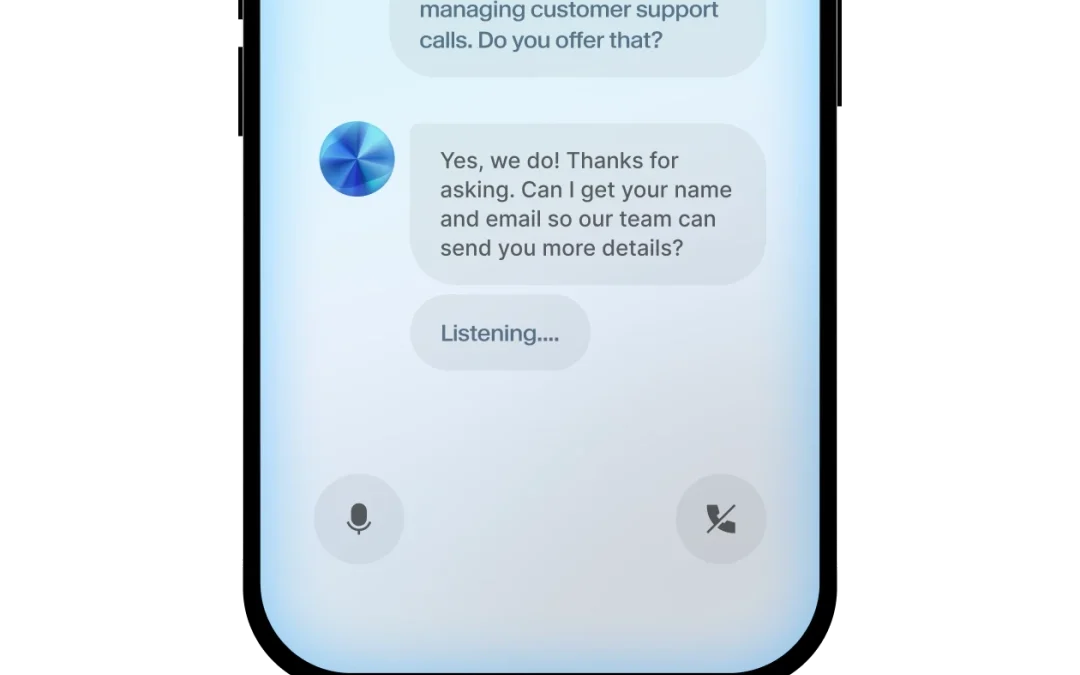
5. Voice AI Agents
The platform also offers conversational voice agents. These can:
- Answer phone calls
- Provide automated customer service
- Interact in real time
This expands its use beyond content creation into business automation.
6. Developer API
Developers can integrate voice generation into:
- Mobile apps
- SaaS products
- Games
- Web platforms
The API supports real-time streaming and scalable deployment.
Common Use Cases
Content Creators
YouTubers, podcasters, and educators use AI narration when they prefer not to record manually or need multiple voice styles.
Audiobooks
Authors can produce narrated versions of books without hiring full voice production teams.
Game Development
Developers can generate character dialogue at scale.
Customer Support
Businesses can create automated voice assistants for handling calls.
Localization Teams
Companies entering new markets use AI dubbing instead of traditional voice studio recording.
Potential Advantages
1. Realistic Voice Output
Many users report that the generated speech sounds more natural compared to older TTS systems.
2. Scalability
Large volumes of text can be converted into speech quickly.
3. Faster Production
Content production timelines can be shortened.
4. Flexible Customization
Users can adjust voice tone, speed, and stability settings.
5. API Integration
Developers can automate workflows instead of generating audio manually.
Limitations & Considerations
1. Ethical Concerns
Voice cloning can be misused. Proper consent and responsible usage are critical.
2. Subscription Costs
Higher usage limits and advanced features require paid plans. Large-scale use may increase costs.
3. Cloud Dependency
Since it is cloud-based, it requires stable internet access.
4. Voice Variability
While quality is strong, certain accents or niche speech patterns may not always sound perfect.
5. Legal Responsibility
Users are responsible for ensuring they have rights to any voice they replicate.
Who Should Consider Using It
- Independent creators producing digital content
- SaaS platforms needing built-in voice features
- Educational platforms creating narrated lessons
- Businesses automating voice-based workflows
- Game developers requiring scalable dialogue
Who May Want to Avoid It
- Users needing fully offline voice generation
- Projects with strict legal restrictions on voice replication
- Very small-scale users who need only occasional voice output
- Individuals looking for completely free unlimited usage
Comparison With Similar Tools
Compared with traditional TTS systems, ElevenLabs focuses more heavily on realism and expressive voice output.
When compared to large cloud providers such as:
- Google Cloud (Text-to-Speech)
- Amazon (Polly service)
ElevenLabs emphasizes natural emotional delivery and voice cloning capabilities, while larger cloud platforms may offer broader enterprise ecosystems and integrations.
The choice depends on whether users prioritize voice realism, ecosystem integration, or pricing flexibility.
Final Educational Summary
ElevenLabs is an AI-driven speech platform designed to simplify audio content creation and voice automation. It combines text-to-speech, cloning, transcription, and API access into a single ecosystem.
Its main strengths include expressive voice quality and flexible customization. However, users must consider ethical responsibilities, cost structure, and legal permissions before using voice cloning features.
For creators and developers working at scale, AI voice tools like this represent a shift in how digital audio is produced and distributed.
Disclosure
This article is written for educational and informational purposes only. It provides a neutral overview of features, advantages, and limitations based on publicly available information and does not represent sponsorship, endorsement, or promotional intent.