
Introduction
Audio content is now part of daily digital life. People listen to podcasts, audiobooks, online courses, voice assistants, and automated support systems. But recording professional voice content takes time, equipment, and often professional voice artists. Managing different languages and updating scripts can also increase cost and effort.
AI voice generation tools aim to solve this challenge by converting written text into natural-sounding speech. One of the most discussed platforms in this field is ElevenLabs. It focuses on realistic AI speech, voice cloning, and scalable audio production.
What Is ElevenLabs?
ElevenLabs is a cloud-based artificial intelligence platform that creates human-like speech from text. It provides tools for:
- Text-to-speech generation
- Voice cloning
- Speech-to-text transcription
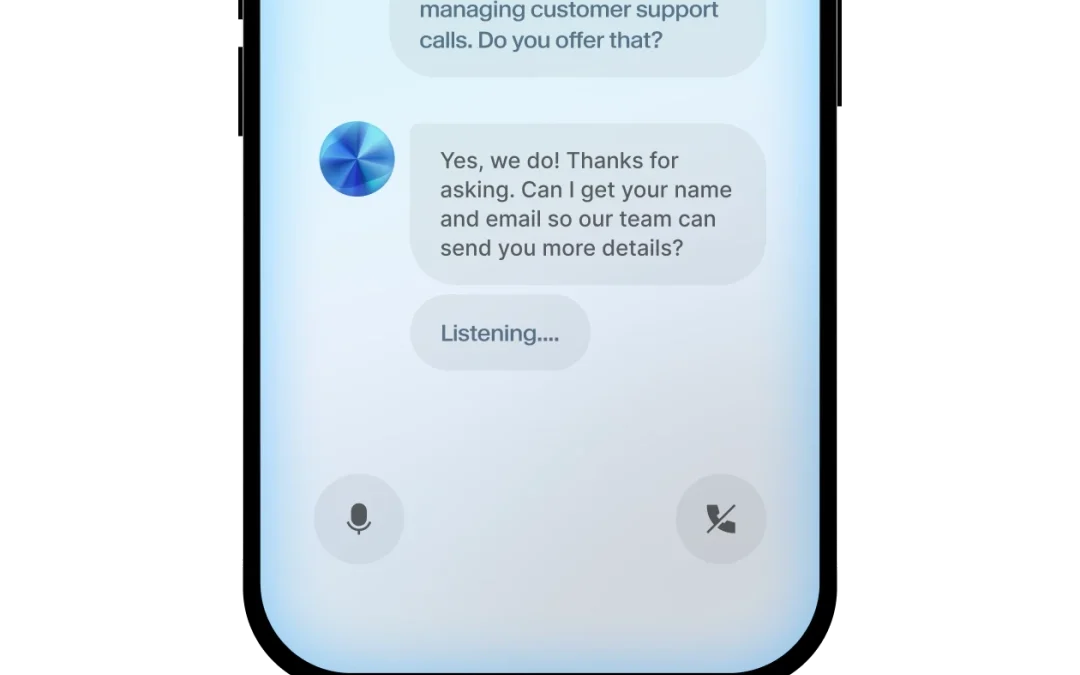
- AI-powered voice agents
- API integration for developers
The platform is accessible through a web dashboard and developer APIs. It is designed for content creators, businesses, educators, and software developers who need scalable voice solutions.
Visit ElevenLabs Official Website
Key Features Explained
Text-to-Speech (TTS)
The main feature is its advanced text-to-speech engine. Users type or paste text, choose a voice, adjust settings such as speed or tone, and generate audio. The system aims to produce speech that sounds natural, including pauses and emotional variation.
This is useful for narration, explainer videos, or educational materials.
Voice Cloning
Voice cloning allows users to create a digital version of a real voice using audio samples. Once trained, the system can generate new speech in that voice.
There are typically two types:
- Quick cloning with shorter samples
- Higher-quality cloning with longer recordings
Because this feature can replicate real voices, users must ensure they have proper consent and rights before using it.
Multilingual Speech Support
The platform supports multiple languages and accents. This makes it useful for:
- International content distribution
- Dubbing videos
- Global marketing materials
- Multilingual customer support
However, quality may vary slightly depending on language complexity.
Speech-to-Text
In addition to generating speech, the platform can convert spoken audio into written text. This helps with:
- Transcription
- Subtitles
- Documentation
- Content editing
AI Voice Agents
The platform also provides conversational voice agents. These systems can interact with users in real time and may be used in:
- Automated call systems
- Customer support lines
- Interactive applications
This moves the platform beyond content creation into business automation.
Developer API
Developers can integrate voice generation directly into their applications using APIs. This is useful for:
- SaaS products
- Mobile apps
- Video game dialogue systems
- Voice-enabled software
Real-time audio streaming is supported for dynamic applications.
Common Use Cases
Content Creators
YouTubers, podcasters, and educators use AI narration instead of recording manually.
Audiobook Production
Writers can generate audiobook versions of their work without full studio production.
Game Development
Developers can create character voices at scale.
Business Automation
Companies use voice agents for handling routine customer interactions.
Localization Projects
Organizations can create multiple language versions of the same content.
Potential Advantages
Natural Voice Quality
Many users find the speech output more expressive compared to older robotic systems.
Time Efficiency
Large scripts can be converted into audio quickly.
Scalable Production
Businesses can produce high volumes of voice content without hiring multiple voice actors.
Flexible Customization
Voice tone, speed, and delivery style can be adjusted.
Integration Options
API access allows automation inside other software products.
Limitations & Considerations
Ethical and Legal Responsibility
Voice cloning requires permission from the original speaker. Misuse can create serious legal and ethical issues.
Pricing Structure
Advanced features and higher usage levels require paid subscriptions. Costs increase with scale.
Internet Requirement
Since it operates in the cloud, stable internet access is necessary.
Accent Variation
Some regional accents may not sound perfect.
Learning Curve
New users may need time to understand voice settings and optimization controls.
Who Should Consider ElevenLabs
- Digital content creators producing narration regularly
- Educational platforms creating online lessons
- SaaS companies integrating voice features
- Game developers needing character dialogue
- Businesses automating voice communication
Who May Want to Avoid It
- Users needing fully offline voice tools
- Individuals who only need occasional short recordings
- Projects with strict voice ownership regulations
- Those seeking unlimited free usage
Comparison With Similar Platforms
When compared with larger cloud ecosystems such as Google Cloud (Text-to-Speech services) and Amazon (Polly voice service), ElevenLabs focuses strongly on expressive and emotional voice realism.
Large cloud providers may offer broader infrastructure tools and enterprise services. ElevenLabs concentrates mainly on voice quality and creative control.
The right choice depends on whether your priority is advanced voice realism or deep integration with large cloud ecosystems.
Final Educational Summary
ElevenLabs provides AI-driven voice generation, cloning, transcription, and conversational voice tools in one platform. It helps reduce the time and effort required to produce digital audio content.
Its strongest areas include expressive text-to-speech and customizable voice models. However, users must consider ethical responsibility, pricing structure, and usage limits before adopting the platform at scale.
For creators and developers working with voice-based content, AI audio platforms represent a growing shift in how speech is produced and distributed.
Disclosure
This content is created for informational and educational purposes only. It presents a neutral overview of the platform’s capabilities and limitations and does not represent sponsorship, advertising, or promotional endorsement.