
Introduction
Handling payments is one of the most fundamental aspects of running a business, yet it has historically been one of the most complex. From managing card transactions and reconciling fees to ensuring secure transfers and maintaining steady cash flow, payment processing has long involved multiple layers of systems and intermediaries. This complexity has led to inefficiencies, especially for smaller businesses that may lack dedicated financial teams.
As commerce has shifted toward digital and hybrid environments, the demand for streamlined, transparent, and reliable payment systems has increased. This has given rise to a category of tools designed to simplify how businesses accept and manage payments. These platforms aim to reduce operational friction while offering clearer insights into transaction costs and timelines.
Within this evolving landscape, Flatpay represents a type of solution that bridges operational business needs with financial technology infrastructure. Understanding where it fits—whether as a business tool or a technology platform—requires a closer look at its function, structure, and real-world usage.
What Is Flatpay?
Flatpay is a payment processing platform that enables businesses to accept electronic payments, including card and contactless transactions. It operates within the financial technology (fintech) sector, providing services that connect merchants, customers, and financial institutions.
From a classification standpoint, Flatpay is best described as a business-focused fintech tool. It combines software-based payment infrastructure with practical applications for day-to-day commercial activities. Its primary role is to facilitate transactions, making it a core component of business operations rather than a purely technical system used in isolation.
Unlike general-purpose software tools, Flatpay is closely tied to revenue generation and financial workflows. It handles the movement of money between customers and businesses, placing it at the intersection of commerce and technology.
Key Features Explained
Flat-Rate Pricing Structure
Flatpay is commonly associated with a simplified pricing model where transaction fees are consistent rather than variable. Traditional processors often use layered fee systems that include interchange rates, markup fees, and additional charges. In contrast, a flat-rate approach consolidates these elements into a more predictable structure.
This feature is particularly relevant for businesses that prefer straightforward financial planning without analyzing multiple fee components.
Multi-Channel Payment Acceptance
Modern businesses often operate across physical and digital environments. Flatpay supports payment acceptance in various forms, including chip cards, contactless payments, and mobile-based transactions. This flexibility allows businesses to meet customer expectations in different settings.
Integration With Business Systems
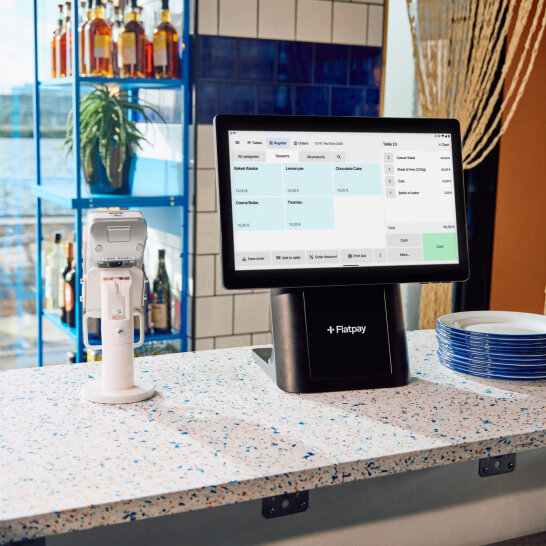
Flatpay can integrate with point-of-sale (POS) systems and other operational tools. This integration helps businesses centralize their transaction data, reducing the need to switch between platforms for sales tracking and payment management.
Transaction Monitoring and Reporting
The platform typically includes dashboards that display transaction histories, processing fees, and settlement details. These reporting features provide visibility into financial activity, which can support accounting and decision-making processes.
Settlement Scheduling
Payment settlement refers to the transfer of funds from the payment processor to the business. Flatpay generally offers structured settlement timelines, allowing businesses to anticipate when funds will become available.
Common Use Cases
Retail Environments
Physical stores rely heavily on efficient payment systems. Flatpay supports quick transactions, making it suitable for retail settings where speed and reliability are essential.
Mobile and Field Services
Service providers such as technicians, consultants, and freelancers often require portable payment solutions. Flatpay’s compatibility with mobile devices enables transactions outside traditional retail environments.
Hospitality Businesses
Restaurants and cafes process a high volume of transactions daily. A simplified pricing model and consistent payment processing can help maintain operational flow during busy periods.
Small Business Operations
Entrepreneurs and small business owners often seek tools that are easy to implement and manage. Flatpay’s design aligns with these needs by minimizing complexity.
Temporary or Event-Based Sales
Pop-up shops, exhibitions, and seasonal markets benefit from flexible payment solutions that can be deployed quickly. Flatpay supports such use cases by allowing businesses to accept payments in temporary setups.
Potential Advantages
Clear Cost Structure
One of the primary advantages of Flatpay is its transparent pricing. A consistent fee model reduces uncertainty and simplifies financial tracking.
Ease of Use
The platform is generally designed for accessibility, allowing users with limited technical knowledge to operate it effectively. This lowers the barrier to entry for digital payment adoption.
Operational Efficiency
By integrating payment processing with other business tools, Flatpay can streamline workflows. This reduces the time spent managing separate systems.
Flexibility in Payment Methods
Supporting multiple payment types ensures that businesses can accommodate a wide range of customer preferences, which is increasingly important in modern commerce.
Reduced Administrative Burden
Simplified reporting and pricing structures can decrease the workload associated with financial reconciliation and bookkeeping.
Limitations & Considerations
Cost Efficiency at Scale
While flat-rate pricing is easy to understand, it may not always be the most cost-effective option for businesses with high transaction volumes. Alternative pricing models could offer lower fees under certain conditions.
Feature Scope
Flatpay focuses on core payment processing functions. Businesses requiring advanced analytics, subscription billing, or international payment capabilities may need additional tools.
Regional Availability
Payment processors often operate within specific geographic regions due to regulatory requirements. Flatpay’s availability may vary depending on location.
Hardware Requirements
In-person transactions may require compatible payment terminals or devices. Businesses should consider whether their existing hardware aligns with the platform.
Customization Limits
Compared to enterprise-level systems, Flatpay may offer fewer customization options, which could be a factor for businesses with specialized workflows.
Who Should Consider Flatpay
Flatpay is generally suitable for:
- Small and medium-sized businesses managing daily transactions
- Retailers seeking straightforward payment solutions
- Service providers needing mobile payment capabilities
- Businesses prioritizing simplicity over advanced customization
- Organizations transitioning to digital payment systems
Its structure supports users who want a balance between functionality and ease of use.
Who May Want to Avoid It
Flatpay may not be ideal for:
- Large enterprises with complex financial operations
- Businesses with very high transaction volumes seeking optimized fee structures
- Companies operating across multiple international markets
- Organizations requiring advanced financial analytics or integrations
- Users needing highly customizable payment workflows
In these cases, more specialized platforms may be better aligned with operational needs.
Comparison With Similar Tools
Compared to Traditional Merchant Services
Traditional payment processors often involve complex fee structures and long-term contracts. Flatpay simplifies this approach, though it may trade off some cost optimization in the process.
Compared to Fintech Payment Platforms
Many fintech platforms offer a wide range of services beyond payment processing, such as invoicing, subscriptions, and financial analytics. Flatpay focuses more narrowly on transaction handling and cost clarity.
Compared to Mobile Payment Apps
Mobile payment solutions emphasize portability and ease of setup. Flatpay shares these traits but may offer broader integration with business systems.
Compared to Enterprise Solutions
Enterprise platforms provide extensive customization and global reach. Flatpay, by contrast, is more streamlined and suited to businesses with less complex requirements.
Final Educational Summary
Flatpay sits at the intersection of business operations and financial technology, but its primary identity is that of a business tool powered by fintech infrastructure. Its main function—processing payments—directly supports revenue generation and day-to-day commercial activity.
While it relies on technology to operate, its value is realized through practical business use. This dual nature explains why it can be categorized under both business and technology, with a stronger emphasis on its role in supporting business processes.
Understanding this distinction helps clarify how tools like Flatpay fit into the broader ecosystem of digital commerce. They are not software systems; they are operational tools that enable businesses to function more efficiently in an increasingly digital economy.
Disclosure: This article is for educational and informational purposes only. Some links on this website may be affiliate links, but this does not influence our editorial content or evaluations.