
Introduction
Modern organizations rely on a growing number of digital tools to manage projects, communication, documentation, and operational processes. While these technologies improve productivity in many ways, they also introduce complexity. Teams often find themselves switching between multiple applications, manually coordinating tasks, and tracking progress across disconnected systems. As workflows expand across departments and platforms, maintaining clarity and efficiency becomes increasingly difficult.
This challenge has contributed to the emergence of workflow automation and process management platforms. These tools aim to structure work processes, standardize recurring activities, and reduce the need for manual coordination. Rather than relying on informal communication or scattered documentation, organizations can map tasks into structured digital workflows that guide users through predefined steps.
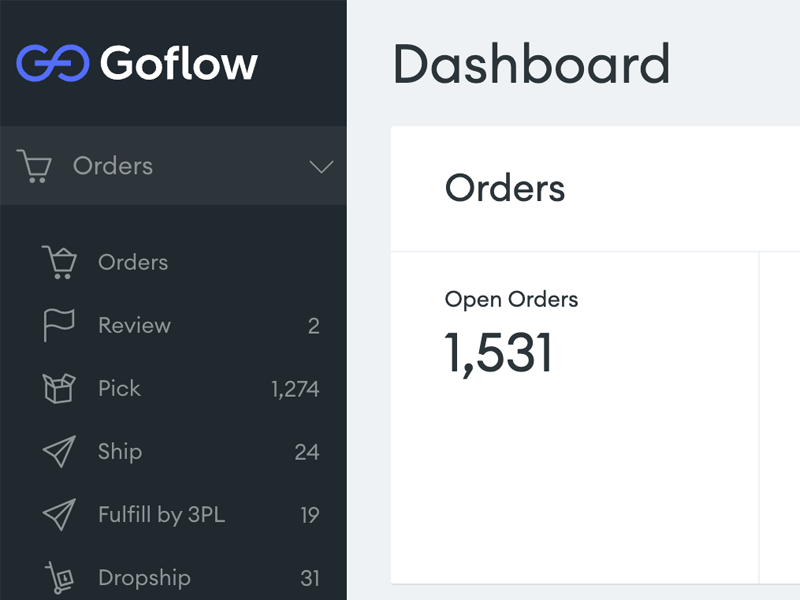
GoFlow belongs to this category of workflow automation and operational management platforms. It is designed to help teams organize processes, monitor tasks, and coordinate work across multiple participants in a centralized environment. Understanding how tools like GoFlow operate provides insight into how organizations attempt to address operational fragmentation and improve process visibility.
What Is GoFlow?
GoFlow is a workflow management and automation platform used to organize structured processes within teams or organizations. It functions as a digital system where workflows can be designed, monitored, and executed through defined steps, allowing tasks to move from one stage to another according to predetermined rules.
In practical terms, GoFlow acts as a process coordination environment. Instead of relying on email threads, spreadsheets, or verbal instructions, workflows are represented as structured sequences of actions. Each stage can include responsibilities, deadlines, required inputs, or approvals.
Platforms in this category are often classified under several overlapping software segments, including:
- Workflow automation software
- Business process management (BPM) tools
- Operational workflow systems
- Task orchestration platforms
- Digital process coordination tools
GoFlow fits within this broader ecosystem by offering mechanisms to structure internal workflows while providing visibility into how tasks progress across teams.
The goal of such systems is not simply task tracking, but process standardization. By defining consistent procedures, organizations can attempt to reduce operational ambiguity and improve accountability.
Key Features Explained
Workflow management platforms typically revolve around a set of core capabilities that enable organizations to translate operational processes into digital structures. GoFlow incorporates several features that support this objective.
Workflow Design and Process Mapping
One of the foundational components of GoFlow is workflow creation. Users can define sequences of steps that represent a particular process, such as onboarding a new employee, reviewing documents, or managing project approvals.
Each workflow generally contains:
- Defined stages or checkpoints
- Assigned participants or roles
- Required actions or inputs
- Status indicators for tracking progress
By mapping these elements into a digital structure, teams can visualize how work moves from initiation to completion.
Task Assignment and Responsibility Tracking
In many organizations, ambiguity about responsibility can slow down progress. GoFlow addresses this by associating tasks with specific individuals or roles.
When a workflow reaches a particular step, the responsible participant receives the task, ensuring that responsibilities are visible and traceable. This structured approach can reduce the likelihood of overlooked tasks or unclear ownership.
Process Monitoring and Status Visibility
Operational transparency is another function commonly associated with workflow tools. GoFlow provides visibility into where tasks currently reside within a workflow.
This can allow managers or team members to observe:
- Which stage a task has reached
- Who is responsible for the next action
- Whether deadlines or milestones are approaching
Such monitoring can be particularly useful in environments where multiple participants contribute to a single operational process.
Documentation and Process Standardization
Organizations often rely on informal instructions or institutional knowledge when completing recurring tasks. Over time, this can lead to inconsistencies.
By embedding documentation directly within workflows, GoFlow allows organizations to associate instructions, templates, or reference materials with specific process steps. This can help ensure that tasks are performed in a consistent manner.
Workflow Automation Elements
Some workflow platforms include automation features that reduce manual actions. For example, certain steps may trigger notifications, approvals, or transitions automatically when predefined conditions are met.
Automation within GoFlow may assist with:
- Advancing tasks after approvals
- Notifying participants of upcoming responsibilities
- Recording process completion data
Automation capabilities vary depending on configuration and organizational needs.
Common Use Cases
Workflow automation tools tend to be used across a wide range of operational contexts. GoFlow can support several categories of organizational processes.
Internal Business Operations
Many organizations use workflow tools to manage routine operational procedures, including:
- Employee onboarding processes
- Procurement approval chains
- Internal request management
- Policy or compliance reviews
These processes often involve multiple participants and formal steps, making them suitable for structured workflows.
Project Coordination
Project teams frequently require structured coordination between contributors. GoFlow may be used to organize stages of project execution, including planning, approvals, documentation reviews, and delivery checkpoints.
In this context, workflows can act as frameworks that guide projects through repeatable stages.
Content and Document Review
Editorial, marketing, and research teams often rely on review cycles that involve multiple stakeholders. A workflow platform can structure the review process by defining approval stages, feedback loops, and final publication checkpoints.
Operational Process Standardization
Organizations attempting to standardize internal procedures sometimes implement workflow tools to document and enforce consistent processes. This can be particularly relevant for organizations undergoing operational scaling.
Compliance and Governance Processes
Industries with regulatory oversight often require documented procedures for approvals, reporting, or risk assessment. Workflow platforms may assist in maintaining traceable records of these processes.
Potential Advantages
Tools like GoFlow may offer several operational benefits when used appropriately within structured environments.
Improved Process Visibility
By representing workflows digitally, organizations can gain clearer insight into how tasks move through operational pipelines. This visibility can help teams understand where delays or bottlenecks occur.
Structured Coordination
Workflow systems reduce reliance on informal communication. Instead of coordinating tasks through scattered messages or meetings, participants follow defined steps within a shared process environment.
Standardization of Recurring Processes
Organizations frequently repeat similar tasks. Workflow platforms enable these processes to be documented and reused, which can support consistency across teams or departments.
Reduced Operational Ambiguity
Assigning responsibilities directly within workflows can clarify expectations. Each participant knows when their action is required and what inputs are necessary to complete the step.
Historical Process Records
Digital workflows often maintain logs of actions taken within a process. These records can be useful for auditing, reporting, or reviewing operational efficiency.
Limitations & Considerations
Despite their potential advantages, workflow automation platforms are not universally suitable for every organization or situation.
Initial Setup Complexity
Designing effective workflows requires careful planning. Organizations must identify process steps, responsibilities, and dependencies before implementing them digitally.
Without proper design, workflows can become overly complicated or difficult to maintain.
Learning Curve for Teams
Employees accustomed to informal communication may require time to adapt to structured workflow systems. Training and internal guidance are often necessary to ensure consistent adoption.
Over-Structuring of Flexible Work
Some workflows benefit from flexibility rather than strict procedural steps. In creative or exploratory work environments, rigid processes may introduce unnecessary constraints.
Dependence on Accurate Process Design
Workflow tools rely heavily on the accuracy of the processes defined within them. If workflows are poorly structured, inefficiencies may simply become digitized rather than resolved.
Integration Considerations
Organizations often use multiple software systems for project management, communication, and documentation. Workflow platforms may require integration planning to function effectively within existing technology ecosystems.
Who Should Consider GoFlow
GoFlow may be relevant for organizations that rely on structured operational procedures or recurring workflows.
Potential users may include:
- Operations teams managing standardized processes
- Organizations implementing digital workflow automation
- Departments coordinating multi-step approval procedures
- Businesses seeking improved process documentation
- Teams attempting to reduce reliance on email-based task coordination
In environments where procedures repeat regularly and require multiple participants, workflow platforms may provide a framework for coordination.
Who May Want to Avoid It
Not every team or organization benefits equally from workflow automation platforms.
Situations where GoFlow may be less suitable include:
- Small teams with highly informal workflows
- Creative environments that prioritize flexibility over structured procedures
- Organizations without clearly defined operational processes
- Teams unwilling to invest time in workflow design and training
In such contexts, lightweight task management systems or collaborative communication tools may be sufficient.
Comparison With Similar Tools
GoFlow operates within a broader category of workflow and process management software. Several platforms address similar operational challenges, though their design philosophies may differ.
Some workflow platforms focus primarily on visual task management and project tracking, while others emphasize automation, business process modeling, or enterprise governance.
Comparisons between tools in this category often consider factors such as:
- Workflow design flexibility
- Automation capabilities
- Integration with other business software
- User interface complexity
- Scalability across departments
While GoFlow aims to provide structured workflow management, alternative tools may prioritize different aspects of operational coordination. The suitability of any platform typically depends on organizational requirements and process complexity.
Final Educational Summary
The growth of digital collaboration has created both opportunities and challenges for organizations attempting to coordinate work across teams. As the number of tools and communication channels increases, maintaining clarity around processes and responsibilities becomes more difficult.
Workflow automation platforms attempt to address this challenge by translating operational procedures into structured digital systems. GoFlow represents one example of this approach, offering mechanisms for mapping processes, assigning responsibilities, and tracking task progress across defined workflows.
Such systems can help organizations document recurring procedures, monitor operational progress, and improve visibility into task coordination. At the same time, their effectiveness depends heavily on thoughtful process design, user adoption, and alignment with organizational workflows.
Understanding how tools like GoFlow function contributes to a broader perspective on digital operations management. As organizations continue to adapt to increasingly complex work environments, structured workflow platforms remain a notable component of the evolving productivity software landscape.
Disclosure
This article is for educational and informational purposes only. Some links on this website may be affiliate links, but this does not influence our editorial content or evaluations.