
Introduction
Modern digital systems rely heavily on automated email communication. From account verification messages to password resets and transactional alerts, email remains a foundational channel for system-to-user interaction. However, ensuring reliable delivery at scale presents a range of technical challenges. Messages may be filtered as spam, delayed due to server throttling, or rejected based on sender reputation and authentication protocols.
This complexity has led to the emergence of specialized email delivery services, particularly within the transactional email infrastructure category. These platforms are designed to handle high-volume, system-generated emails while maintaining deliverability standards, compliance, and performance monitoring. Within this landscape, SMTP.com represents one of the long-standing providers offering infrastructure tailored for transactional messaging.
What Is SMTP.com?
SMTP.com is an email delivery service focused primarily on transactional and bulk email transmission. It operates within the broader category of SMTP relay and email API services, which act as intermediaries between applications and recipient mail servers.
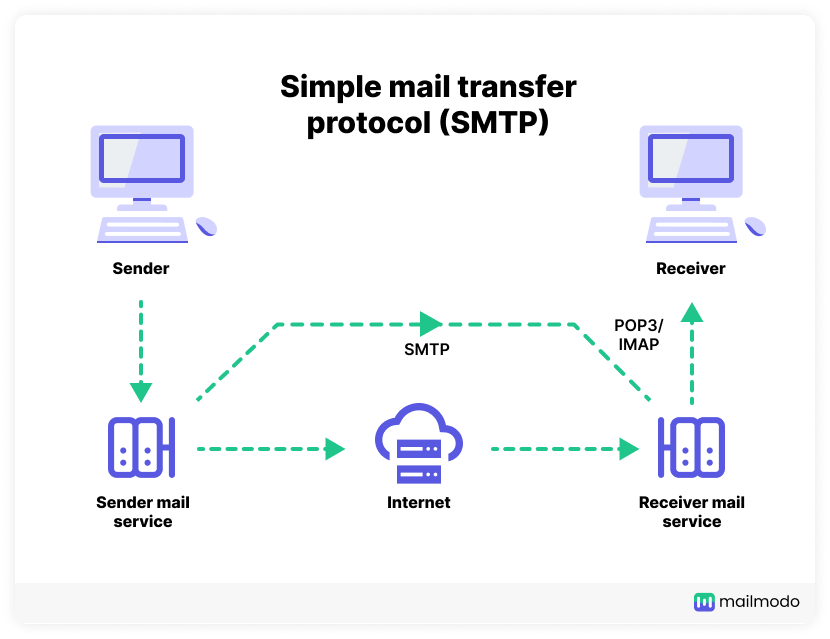
The platform provides infrastructure that allows businesses, developers, and organizations to send emails programmatically without managing their own mail servers. By using standard protocols such as SMTP (Simple Mail Transfer Protocol) or integrating via APIs, users can route outgoing messages through SMTP.com’s systems.
Unlike general-purpose email clients or marketing platforms, SMTP.com is primarily concerned with backend delivery rather than front-end campaign design. Its role is closer to that of a technical utility—ensuring messages are accepted, routed, and delivered according to industry standards.
Key Features Explained
SMTP Relay Infrastructure
At its core, SMTP.com offers an SMTP relay service. This allows applications to send outgoing email through authenticated servers rather than relying on local mail transfer agents. The relay handles routing, retries, and connection management, which can be complex to maintain independently.
API-Based Email Sending
In addition to SMTP relay, SMTP.com supports API-based integration. This approach is often used in modern applications where developers prefer RESTful APIs for sending emails. APIs provide more flexibility in managing payloads, tracking, and automation.
Deliverability Management
Deliverability is a central concern in email infrastructure. SMTP.com incorporates mechanisms such as IP reputation management, feedback loop handling, and compliance with authentication standards like SPF, DKIM, and DMARC. These systems aim to improve the likelihood that emails reach inboxes rather than spam folders.
Real-Time Analytics
The platform includes tracking and reporting features that provide insights into email performance. Metrics such as delivery status, open rates, bounce rates, and spam complaints are typically monitored to evaluate system behavior and diagnose issues.
Dedicated and Shared IP Options
SMTP.com offers both shared and dedicated IP configurations. Shared IPs distribute sending activity across multiple users, while dedicated IPs isolate sending reputation to a single account. This distinction can affect deliverability outcomes depending on usage patterns.
Security and Compliance Controls
Security features often include encryption protocols such as TLS for message transmission. Compliance tools may also assist organizations in adhering to regulations related to email communication, including opt-out handling and data protection standards.
Common Use Cases
Transactional Notifications
One of the most common applications of SMTP.com is sending transactional emails triggered by user actions. These include password resets, purchase confirmations, account updates, and system alerts.
Application Integration
Developers frequently integrate SMTP.com into web and mobile applications. This allows automated email functionality without building and maintaining a mail server infrastructure from scratch.
System Alerts and Monitoring
Organizations use transactional email services to send alerts related to system performance, security events, or operational updates. These messages require timely delivery and reliability.
Bulk System Messaging
Although distinct from marketing campaigns, some organizations use SMTP.com for large-scale system-generated messaging, such as policy updates or service announcements.
Multi-Platform Communication
Businesses operating across multiple platforms may use SMTP.com as a centralized email delivery layer, ensuring consistent behavior regardless of the originating application.
Potential Advantages
Infrastructure Simplification
Managing email servers involves significant technical overhead, including configuration, maintenance, and monitoring. SMTP.com reduces this burden by providing a managed environment.
Focus on Deliverability
By specializing in email transmission, SMTP.com addresses deliverability challenges that general-purpose solutions may not prioritize. This includes maintaining sender reputation and handling ISP-specific requirements.
Scalability
The platform is designed to handle varying volumes of email, from small-scale operations to high-frequency transactional systems. Scalability is a key consideration for applications experiencing growth.
Integration Flexibility
Support for both SMTP and API-based methods allows compatibility with a wide range of systems, from legacy applications to modern cloud-based architectures.
Monitoring and Diagnostics
Access to detailed analytics enables organizations to identify delivery issues, optimize sending behavior, and maintain system reliability.
Limitations & Considerations
Technical Complexity
While SMTP.com simplifies infrastructure, it still requires a degree of technical understanding. Configuration of DNS records, authentication protocols, and integration workflows may be challenging for non-technical users.
Limited Marketing Features
SMTP.com is not designed as a full-featured email marketing platform. It lacks tools such as visual campaign builders, audience segmentation interfaces, and marketing automation workflows.
Dependence on External Infrastructure
Using a third-party email relay introduces dependency on external systems. Service outages or configuration errors can impact email delivery.
Cost Structure
Pricing models for transactional email services often depend on volume, features, and IP configurations. For smaller users, costs may be a consideration compared to simpler alternatives.
Reputation Management Responsibility
Even with managed infrastructure, users are responsible for maintaining good sending practices. Poor list hygiene or high complaint rates can affect deliverability.
Who Should Consider SMTP
SMTP.com may be relevant for individuals and organizations with specific technical and operational requirements.
Developers and Engineering Teams
Teams building applications that require automated email functionality may find SMTP.com suitable due to its API and SMTP integration options.
SaaS Platforms
Software-as-a-Service providers often rely on transactional emails for user engagement and system notifications. Reliable delivery infrastructure is essential in these contexts.
E-commerce Systems
Online stores generate large volumes of transactional emails, including order confirmations and shipping updates. Consistent delivery is critical for customer communication.
IT and System Administrators
Organizations managing internal systems may use SMTP.com for alerts, monitoring notifications, and operational messaging.
Enterprises with High Email Volume
Larger organizations sending significant volumes of system-generated email may benefit from dedicated infrastructure and deliverability tools.
Who May Want to Avoid It
Non-Technical Users
Individuals without technical experience may find SMTP.com difficult to configure and manage compared to more user-friendly platforms.
Small-Scale Personal Use
For basic email needs, such as personal communication or low-volume messaging, simpler tools may be more appropriate.
Marketing-Focused Teams
Teams primarily focused on email marketing campaigns may prefer platforms with built-in design tools, audience segmentation, and automation features.
Budget-Constrained Projects
Projects with minimal email requirements may not justify the cost or complexity of a dedicated transactional email service.
Comparison With Similar Tools
SMTP.com operates within a competitive ecosystem that includes several other transactional email service providers. While all tools in this category share core functionality, differences emerge in focus, usability, and feature sets.
SMTP Relay vs API-Centric Platforms
Some platforms emphasize API-first approaches, offering advanced developer tools and integrations. SMTP.com supports APIs but retains strong compatibility with traditional SMTP workflows, making it suitable for legacy systems.
Deliverability Focus
Many competitors highlight deliverability as a primary feature. SMTP.com’s long-standing presence in the industry reflects its emphasis on maintaining sender reputation and compliance standards.
Feature Scope
Compared to hybrid platforms that combine transactional and marketing capabilities, SMTP.com remains more specialized. This narrow focus can be advantageous for technical use cases but limiting for broader communication strategies.
Pricing Models
Transactional email services vary in pricing structures, often based on email volume, IP configuration, and additional features. Evaluating cost requires consideration of usage patterns and required functionality.
User Interface and Accessibility
Some competing tools prioritize user-friendly dashboards and onboarding processes. SMTP.com tends to cater more toward technically proficient users, which may influence adoption decisions.
Final Educational Summary
SMTP.com represents a category of tools designed to address the complexities of email delivery at scale. By providing SMTP relay and API-based infrastructure, it enables applications to send transactional messages reliably without managing their own mail servers.
The platform’s strengths lie in its focus on deliverability, scalability, and integration flexibility. At the same time, it requires technical expertise and does not cater to marketing-oriented use cases. Its role is best understood as part of backend infrastructure rather than a front-end communication tool.
Understanding tools like SMTP.com involves recognizing the broader challenges of email systems, including authentication, reputation management, and compliance. For organizations operating in environments where automated messaging is critical, such infrastructure plays a foundational role in maintaining communication reliability.
Disclosure: This article is for educational and informational purposes only. Some links on this website may be affiliate links, but this does not influence our editorial content or evaluations.