
Introduction
Digital products generate enormous volumes of behavioral data every day. Websites, mobile applications, and software platforms track interactions such as clicks, feature usage, navigation patterns, and session duration. However, raw data alone rarely provides meaningful insights without structured analysis. This challenge has led to the emergence of a specialized category of tools known as product analytics platforms.
Product analytics tools help organizations analyze how users interact with digital products. Unlike traditional web analytics systems that primarily track page views and traffic sources, product analytics focuses on user behavior within a product environment. These tools allow teams to understand feature adoption, identify friction points, evaluate user journeys, and measure long-term engagement.
Within this category, Amplitude has become a widely referenced platform for behavioral analytics and product intelligence. It is designed to help organizations transform user activity data into insights about product usage, retention patterns, and feature performance. By structuring event data and enabling advanced analysis, tools like Amplitude attempt to support data-informed product development decisions.
Understanding how such platforms function, where they are most useful, and what limitations they may present is essential for teams evaluating analytics infrastructure.
What Is Amplitude?
Amplitude is a product analytics and digital optimization platform designed to analyze user interactions across applications and digital services. It focuses on tracking and interpreting behavioral events within a product environment, enabling teams to study how individuals engage with specific features, workflows, and user journeys.
Unlike traditional analytics systems that prioritize traffic metrics, Amplitude is built around event-based data tracking. In this model, user actions—such as clicking a button, completing a purchase flow, or using a specific feature—are recorded as events. These events can then be analyzed to reveal patterns in user behavior.
The platform is commonly categorized within several related technology segments:
- Product analytics software
- Behavioral analytics platforms
- Customer journey analysis tools
- Digital experience analytics systems
Amplitude typically integrates with websites, mobile applications, and software platforms through SDKs and data pipelines. Once implemented, it collects event data that can be visualized through dashboards, reports, and analytical models.
Many organizations use the platform to answer questions such as:
- Which features drive long-term engagement?
- Where do users abandon onboarding flows?
- How does product usage differ between user segments?
- Which behaviors correlate with retention or churn?
Through these analyses, product teams attempt to understand how real users interact with their digital products in practice.
Key Features Explained
Event-Based Data Tracking
At the core of Amplitude is an event-driven analytics model. Instead of focusing primarily on page loads or sessions, the platform records specific user actions as events. These events might include actions like account creation, file uploads, button clicks, or feature activations.
Event tracking enables granular visibility into how users interact with a product’s interface and workflows.
User Journey Analysis
User journey mapping tools allow analysts to visualize how individuals move through a sequence of product interactions. These paths can include onboarding steps, purchase flows, or multi-feature engagement patterns.
Journey analysis helps teams detect:
- Drop-off points
- Unexpected navigation patterns
- Frequently repeated workflows
Understanding these sequences may help identify usability issues or inefficiencies in product design.
Cohort Analysis
Cohort analysis groups users based on shared characteristics or behaviors. For example, users may be grouped by:
- Signup date
- Geographic region
- Feature adoption
- Subscription tier
By comparing cohorts over time, analysts can study retention trends, engagement changes, and behavioral differences between groups.
Retention Metrics
Retention analysis is another central function of product analytics platforms. Amplitude allows teams to evaluate how frequently users return to a product after initial engagement.
Common retention indicators include:
- Day 1 or Day 7 retention
- Weekly active users
- Feature re-engagement rates
These metrics help organizations study whether users continue interacting with a product after their first experience.
Behavioral Segmentation
Segmentation tools allow analysts to filter user data based on behavioral attributes. For example, analysts may isolate users who completed a specific action, used a feature multiple times, or followed a particular navigation path.
Behavioral segmentation helps create more targeted analysis across user populations.
Experiment Analysis
Many digital teams conduct product experiments such as interface changes, onboarding adjustments, or new feature releases. Amplitude includes tools that allow teams to evaluate behavioral changes associated with such experiments.
These analyses typically compare engagement patterns across different user groups exposed to varying product experiences.
Dashboard and Visualization Tools
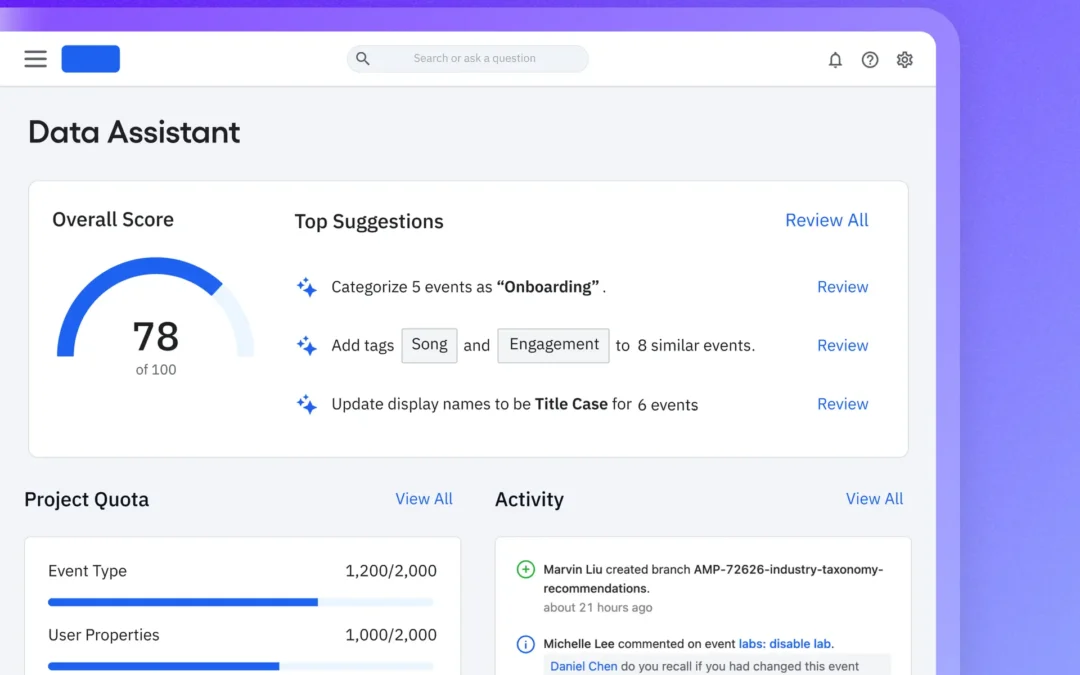
Analytics platforms often include visualization features that help transform complex data into charts, graphs, and dashboards. Amplitude provides customizable reporting views that allow teams to monitor product metrics continuously.
These dashboards can track metrics such as:
- Feature adoption
- Engagement frequency
- User growth patterns
- Conversion flows
Visualization tools help translate behavioral data into a format that is easier for product and engineering teams to interpret.
Common Use Cases
Product Development Analysis
Product teams often analyze behavioral data to determine which features are actively used and which remain underutilized. Understanding usage patterns can inform future development priorities.
Onboarding Optimization
Many companies analyze the onboarding process to determine whether new users successfully complete key initial steps. Product analytics tools help identify where users abandon onboarding flows.
Feature Adoption Tracking
Organizations frequently release new features within their applications. Tracking how users interact with these features can reveal whether they are widely adopted or largely ignored.
Customer Retention Analysis
Retention metrics help companies understand whether users continue engaging with a product after the initial experience. Product analytics tools are often used to identify behaviors associated with long-term engagement.
Mobile Application Analytics
Mobile applications generate complex interaction data due to touch interfaces and multiple navigation layers. Behavioral analytics platforms help teams interpret these interaction patterns.
Data-Driven Product Decisions
Some organizations incorporate analytics insights into product roadmap planning. Behavioral data can provide evidence about which product changes affect user engagement.
Potential Advantages
Deeper Behavioral Insights
Event-based tracking provides detailed insight into user behavior within digital products. This level of analysis often extends beyond the capabilities of traditional traffic-focused analytics systems.
Flexible Data Exploration
The platform’s segmentation and cohort analysis features allow analysts to explore data from multiple perspectives. This flexibility helps teams examine specific user groups or behaviors.
Cross-Platform Analytics
Amplitude can be implemented across web applications, mobile apps, and other digital services, allowing teams to analyze interactions across multiple platforms.
Data Visualization Capabilities
Visualization tools simplify the process of interpreting complex data sets. Dashboards and graphs allow product teams to monitor metrics without extensive data science expertise.
Integration with Data Infrastructure
Product analytics platforms often integrate with data warehouses, customer data platforms, and other software infrastructure, enabling broader analysis across systems.
Limitations & Considerations
Implementation Complexity
Event-based analytics systems require structured event tracking during development. Designing an effective tracking plan can involve coordination between product managers, developers, and data analysts.
Poorly defined events can result in incomplete or inconsistent data.
Data Governance Requirements
Collecting large volumes of behavioral data raises issues related to data governance, privacy compliance, and regulatory requirements. Organizations must manage data storage and access policies carefully.
Learning Curve
Product analytics platforms include advanced analytical capabilities that may require training. Teams unfamiliar with event-based analytics may initially find the system complex.
Data Interpretation Challenges
While analytics tools provide large quantities of behavioral data, interpreting that data accurately requires context. Misinterpretation of metrics can lead to incorrect conclusions about user behavior.
Infrastructure Dependence
The value of behavioral analytics tools depends heavily on the quality of data pipelines and tracking implementation. Without consistent data collection, analysis may be incomplete.
Who Should Consider Amplitude
Product analytics platforms like Amplitude are typically used by organizations that operate digital products with measurable user interactions.
Potential users often include:
- Software-as-a-service companies
- Mobile application developers
- Digital product teams
- Data analytics departments
- User experience research teams
- Product managers analyzing feature adoption
Organizations with large user bases and complex digital workflows may benefit from behavioral analytics systems that provide visibility into real-world product usage.
Additionally, companies that prioritize data-informed product development often explore analytics platforms as part of their technology stack.
Who May Want to Avoid It
Not every organization requires advanced product analytics infrastructure.
Situations where a platform like Amplitude may be unnecessary include:
- Very small websites with limited interaction complexity
- Static informational websites with minimal user actions
- Organizations without dedicated analytics resources
- Teams unable to implement event tracking infrastructure
- Projects that rely solely on basic traffic analytics
In such cases, simpler analytics systems may provide sufficient data for operational needs.
Comparison With Similar Tools
Product analytics platforms exist within a broader ecosystem of analytics solutions. Several tools offer overlapping capabilities but may emphasize different areas of analysis.
Traditional Web Analytics Platforms
Conventional web analytics systems primarily focus on metrics such as page views, sessions, and referral sources. While they provide insight into website traffic, they often offer limited visibility into detailed product interactions.
Product analytics tools like Amplitude typically emphasize behavioral event tracking rather than traffic metrics.
Session Replay and Experience Analytics Tools
Some analytics systems focus on session recordings, heatmaps, and interface interactions. These tools provide visual representations of user behavior but may not offer the same depth of structured behavioral analysis as event-based platforms.
Data Warehouse Analytics
Some organizations store behavioral data in centralized data warehouses and perform analysis through SQL queries or business intelligence tools. While this approach offers flexibility, it may require more technical expertise than dedicated analytics platforms.
Customer Data Platforms
Customer data platforms aggregate information from multiple systems to build unified customer profiles. While these platforms support marketing and personalization workflows, product analytics tools focus more specifically on product usage behavior.
Each category addresses different aspects of user behavior and organizational data needs.
Final Educational Summary
The growth of digital products has created demand for tools capable of analyzing complex user interactions. Product analytics platforms emerged to address this challenge by enabling teams to track behavioral events and study how users engage with software products.
Amplitude represents one example of this category, focusing on event-based tracking, cohort analysis, retention measurement, and behavioral segmentation. By organizing interaction data into structured analytical frameworks, the platform allows organizations to explore patterns within user behavior.
However, the effectiveness of such tools depends heavily on implementation quality, data governance practices, and analytical interpretation. Event tracking design, data accuracy, and team expertise all influence the usefulness of analytics insights.
For organizations operating complex digital services, behavioral analytics platforms may form part of a broader data infrastructure. For smaller or simpler projects, alternative analytics solutions may provide sufficient visibility.
Understanding the capabilities and limitations of product analytics tools helps organizations evaluate how behavioral data can inform digital product development and user experience analysis.
Disclosure: This article is for educational and informational purposes only. Some links on this website may be affiliate links, but this does not influence our editorial content or evaluations.