
Introduction
Modern organizations often rely on digital communication to manage relationships with prospective clients, partners, and customers. As businesses expand their outreach efforts, managing conversations across email, social platforms, calls, and messaging tools can become complex. Sales teams, recruitment departments, and partnership managers frequently face the challenge of maintaining structured communication while ensuring that interactions remain timely and relevant.
The software category known as sales engagement platforms emerged in response to this operational complexity. These tools aim to centralize communication workflows, automate repetitive outreach processes, and track interactions across multiple channels. Rather than replacing human interaction, the platforms typically focus on organizing outreach sequences and capturing communication data.
Within this category, Reply.io is often referenced as a platform designed to assist with outreach management and communication sequencing. It combines automation, analytics, and multichannel messaging features within a single interface. Understanding how such tools operate requires examining their structure, capabilities, limitations, and the contexts in which they are commonly used.
This article provides an educational examination of Reply.io, its role within the broader sales engagement ecosystem, and the situations in which it may or may not align with organizational needs.
What Is Reply.io?
Reply.io is a sales engagement and outreach automation platform designed to help teams manage communication with potential leads, prospects, and contacts across multiple channels. The platform is primarily associated with outbound communication workflows used by sales teams, recruiters, and business development professionals.
At its core, Reply.io focuses on organizing structured communication sequences, sometimes referred to as outreach campaigns. These sequences may include scheduled emails, follow-up messages, calls, and social interactions that are delivered over a defined timeline.
The platform generally integrates with common tools used in customer relationship management (CRM), email services, and professional networking platforms. Through these integrations, communication activity can be tracked and analyzed, allowing teams to monitor engagement patterns.
Reply.io is commonly classified within several overlapping software categories:
- Sales engagement platforms
- Outreach automation tools
- Email sequence management software
- Multichannel prospecting systems
Rather than functioning as a standalone communication provider, the platform typically acts as a workflow layer that organizes outreach activity while pulling data from external systems.
Key Features Explained
Multichannel Outreach Sequences
One of the defining aspects of Reply.io is the ability to create structured communication sequences that span multiple channels. Instead of relying solely on email outreach, users can combine several interaction methods in a coordinated timeline.
Examples of channels that may be included in these sequences include:
- Email messages
- Phone calls
- Professional networking platform interactions
- Task reminders for manual follow-ups
Each step in a sequence can be scheduled with specific delays or conditions, allowing teams to maintain consistent outreach processes.
Email Automation and Scheduling
Reply.io includes tools for drafting and scheduling email messages within predefined sequences. Messages can be sent automatically according to a campaign schedule, reducing the need for manual follow-up.
Common elements of this feature include:
- Scheduled message delivery
- Conditional follow-ups based on replies
- Threaded conversation tracking
These mechanisms are often used to maintain consistent communication intervals across large prospect lists.
Personalization Capabilities
While automation plays a central role in outreach tools, personalization remains an important factor in professional communication. Reply.io includes variables and data fields that allow certain message components to be dynamically populated.
For example, outreach messages may incorporate fields such as:
- Contact name
- Organization name
- Industry category
- Role or title
This approach attempts to balance automation efficiency with individualized messaging elements.
Contact and Lead Management
Reply.io provides tools for organizing and managing contact lists used in outreach campaigns. Users can import contacts from external databases or integrate the platform with CRM systems.
Contact management features typically include:
- List segmentation
- Contact tagging
- Engagement tracking
- Data synchronization with CRM platforms
These tools help teams maintain structured prospect databases that can be used across campaigns.
Analytics and Performance Metrics
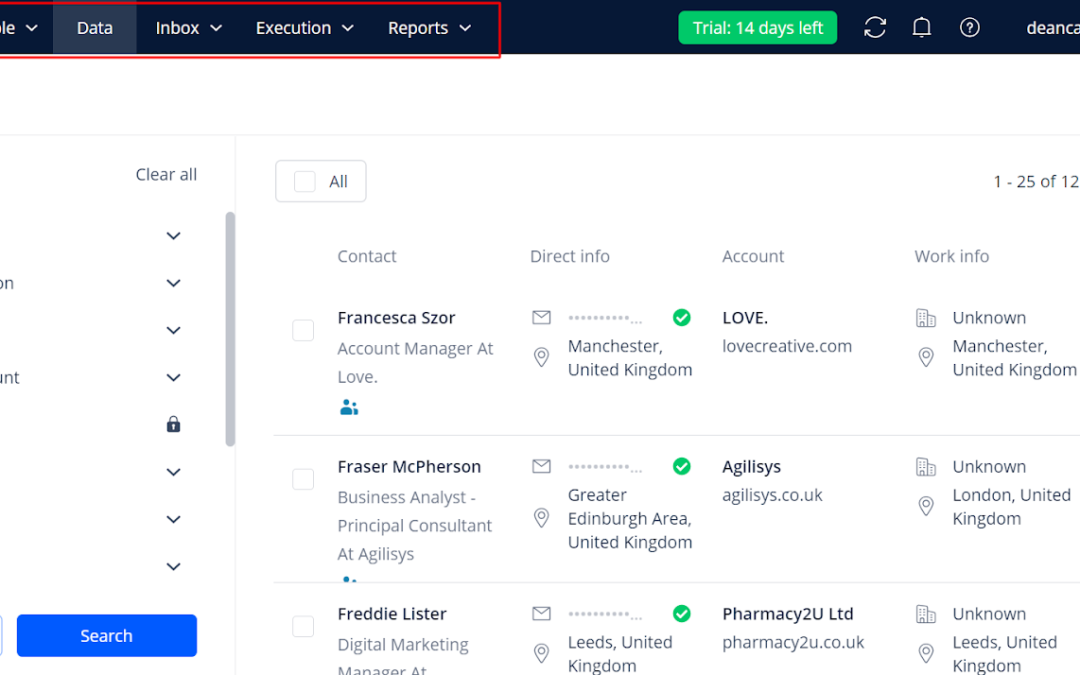
Tracking engagement is another central component of sales engagement platforms. Reply.io offers analytical dashboards that summarize campaign performance and communication outcomes.
Typical metrics tracked by the system may include:
- Email open rates
- Reply rates
- Campaign engagement trends
- Sequence performance comparisons
These analytics are used primarily for operational monitoring and process optimization.
Integration With External Systems
Many organizations already rely on established software ecosystems, particularly CRM systems and email platforms. Reply.io is designed to connect with external tools so that outreach activity can be recorded within broader business workflows.
Integrations often involve:
- Customer relationship management platforms
- Email service providers
- calendar scheduling tools
- communication platforms
The goal of such integrations is to reduce duplication of data entry and ensure that communication records remain synchronized.
Common Use Cases
Sales Prospecting
Sales teams frequently rely on structured outreach strategies to identify and communicate with potential clients. Reply.io is often used to coordinate email sequences and follow-up interactions across prospect lists.
These workflows typically involve:
- Prospect list imports
- Scheduled outreach sequences
- engagement tracking
The platform can help sales representatives maintain organized communication timelines.
Recruitment Outreach
Recruiters sometimes use sales engagement tools to contact job candidates, particularly in industries where large numbers of potential candidates must be reached. Outreach campaigns can help organize candidate engagement across multiple stages of recruitment.
Possible recruitment uses include:
- Initial candidate outreach
- Follow-up interview invitations
- communication tracking
Partnership Development
Organizations exploring partnerships with other businesses may rely on structured communication strategies. Outreach platforms can help track conversations and follow-up messages during these discussions.
This use case may include:
- business development outreach
- collaboration proposals
- networking follow-ups
Lead Re-engagement
Some companies maintain historical contact databases that include individuals who previously interacted with the organization. Outreach tools may be used to reconnect with those contacts through structured follow-up sequences.
This approach is often associated with:
- dormant lead reactivation
- event follow-ups
- product update announcements
Potential Advantages
Process Standardization
Reply.io allows teams to build repeatable outreach workflows. This standardization can help organizations maintain consistent communication patterns across multiple representatives.
Time Efficiency
Automating certain outreach steps may reduce the time required to manually send follow-up messages or track communication timelines. This is particularly relevant for teams managing large prospect lists.
Centralized Communication Tracking
By consolidating communication activity within a single interface, teams can monitor engagement history and sequence progress without relying on multiple separate systems.
Campaign Performance Insights
Analytical tools provide visibility into outreach performance trends. While these metrics do not guarantee outcomes, they can assist teams in understanding how communication strategies perform over time.
Limitations & Considerations
Risk of Over-Automation
Excessive reliance on automation may lead to communication that appears repetitive or impersonal. Outreach messages generated through automated systems can sometimes lack the contextual nuance of individually written messages.
Email Deliverability Challenges
Automated outreach campaigns can encounter deliverability issues if email practices are not carefully managed. High-volume messaging or poorly configured campaigns may affect sender reputation.
Learning Curve for New Users
Sales engagement platforms often contain numerous features related to sequence management, analytics, and integrations. New users may require time to understand how to configure and manage campaigns effectively.
Compliance and Data Responsibility
Organizations using outreach tools must consider regulatory requirements related to data protection, consent, and communication practices. Software platforms do not automatically ensure compliance with regional regulations.
Who Should Consider Reply.io
Reply.io may be relevant for organizations that manage structured outreach across large contact databases. Certain types of teams may find value in tools that help coordinate communication workflows.
Groups that commonly explore this category include:
- outbound sales teams managing prospect pipelines
- recruitment departments conducting candidate outreach
- business development professionals managing partnership conversations
- marketing teams coordinating lead follow-up communication
In these contexts, software designed to manage outreach sequences can provide operational structure.
Who May Want to Avoid It
Not all organizations require a dedicated sales engagement platform. In some situations, simpler communication tools may be sufficient.
Examples where Reply.io may be less relevant include:
- small teams communicating with a limited number of contacts
- organizations that prioritize fully manual outreach approaches
- businesses that already manage outreach through existing CRM automation features
- teams with strict policies against automated prospecting
In such cases, the additional complexity of a specialized outreach platform may not align with operational needs.
Comparison With Similar Reply.io
Reply.io operates within a competitive ecosystem of sales engagement platforms. Several other tools provide overlapping capabilities related to outreach automation and communication management.
While feature sets vary, similar platforms often include:
- email sequence management
- CRM integration
- analytics dashboards
- multichannel communication support
Differences between tools in this category typically involve factors such as:
- interface design
- integration availability
- workflow customization
- analytics depth
Organizations evaluating this category often compare platforms based on compatibility with existing systems and the complexity of outreach processes they intend to manage.
Final Educational Summary
Sales engagement platforms emerged as organizations began managing increasingly complex communication workflows across digital channels. These systems aim to centralize outreach processes, automate routine tasks, and track interaction patterns across multiple contact points.
Reply.io represents one example of such a platform. It focuses on organizing structured outreach sequences, enabling teams to coordinate communication across email, calls, and professional networking interactions. Through features such as contact management, campaign analytics, and system integrations, the platform provides tools for managing communication workflows at scale.
At the same time, tools in this category present certain challenges. Over-automation, deliverability risks, and regulatory considerations require careful management. As a result, the usefulness of sales engagement platforms depends largely on organizational context and outreach strategy.
Understanding the structure and role of software like Reply.io can help teams evaluate whether such tools align with their operational workflows and communication practices.
Disclosure: This article is for educational and informational purposes only. Some links on this website may be affiliate links, but this does not influence our editorial content or evaluations.