
Introduction
Email continues to function as a foundational communication channel for digital services, online businesses, software platforms, and internal enterprise systems. Behind most automated emails—such as account confirmations, password resets, notifications, and newsletters—lies a technical process known as email delivery infrastructure.
Traditional email delivery relies on the Simple Mail Transfer Protocol, a long-established internet standard used to transmit email messages between servers. While SMTP itself is widely supported, maintaining a reliable mail server is technically complex. Organizations often encounter issues such as spam filtering, IP reputation management, deliverability monitoring, server configuration, and scaling during high-volume email sending.
These challenges have led to the emergence of cloud-based SMTP relay services. Instead of operating their own mail servers, developers and organizations can route outgoing emails through specialized email delivery platforms. These services handle infrastructure management, reputation monitoring, and compliance requirements associated with modern email ecosystems.
One platform operating within this category is SMTP2GO, a cloud-based email delivery service designed to assist with transactional and bulk email transmission through SMTP relay technology. Understanding how such platforms function helps developers, IT teams, and organizations evaluate whether managed email delivery systems fit their operational needs.
What Is SMTP2GO?
SMTP2GO is a cloud-hosted email delivery service that provides an SMTP relay and related tools for sending outbound emails from applications, websites, or internal systems. The platform functions as an intermediary between a user’s system and recipient mail servers, handling the technical processes required to deliver messages reliably.
At a technical level, SMTP2GO belongs to the category of transactional email infrastructure providers. These services allow applications to send automated emails by connecting to a hosted SMTP server rather than operating an in-house mail server.
The service is typically integrated through standard SMTP credentials or through APIs designed for application-level communication. Once configured, software systems can send emails via SMTP2GO’s infrastructure, which then processes the messages and routes them to recipient mail providers.
Platforms in this category generally focus on several operational areas:
- Reliable message delivery
- Server infrastructure management
- Monitoring and reporting
- Authentication and security standards
- Handling large volumes of email traffic
SMTP2GO therefore functions primarily as an email relay platform that supports transactional messaging, system notifications, and application-generated emails.
Key Features Explained
Cloud-based email delivery platforms include a variety of technical capabilities designed to address common email infrastructure challenges. SMTP2GO incorporates several features commonly associated with managed SMTP services.
SMTP Relay Service
The core function of SMTP2GO is its SMTP relay system. Instead of sending email directly from a local mail server, applications connect to SMTP2GO’s hosted servers using SMTP authentication.
Once a message is submitted:
- The sending system connects to the SMTP2GO server.
- Authentication verifies the sender.
- The platform processes and queues the message.
- The system attempts delivery to recipient mail servers.
By using an external relay, organizations avoid the need to maintain their own email server infrastructure.
Email Authentication Support
Email authentication protocols are essential for verifying the legitimacy of outgoing messages and improving deliverability. SMTP2GO supports widely used authentication mechanisms such as:
- SPF (Sender Policy Framework)
- DKIM (DomainKeys Identified Mail)
- DMARC policy alignment
These protocols help receiving mail servers confirm that a message originates from an authorized sender, reducing the likelihood of messages being flagged as spam or rejected.
Global Server Infrastructure
Email delivery performance can depend on geographic server distribution. Many SMTP relay providers operate globally distributed servers to reduce latency and improve delivery efficiency.
SMTP2GO utilizes a network of servers located in multiple regions, enabling messages to be processed closer to recipient networks. This can contribute to more consistent transmission speeds and improved reliability during high sending volumes.
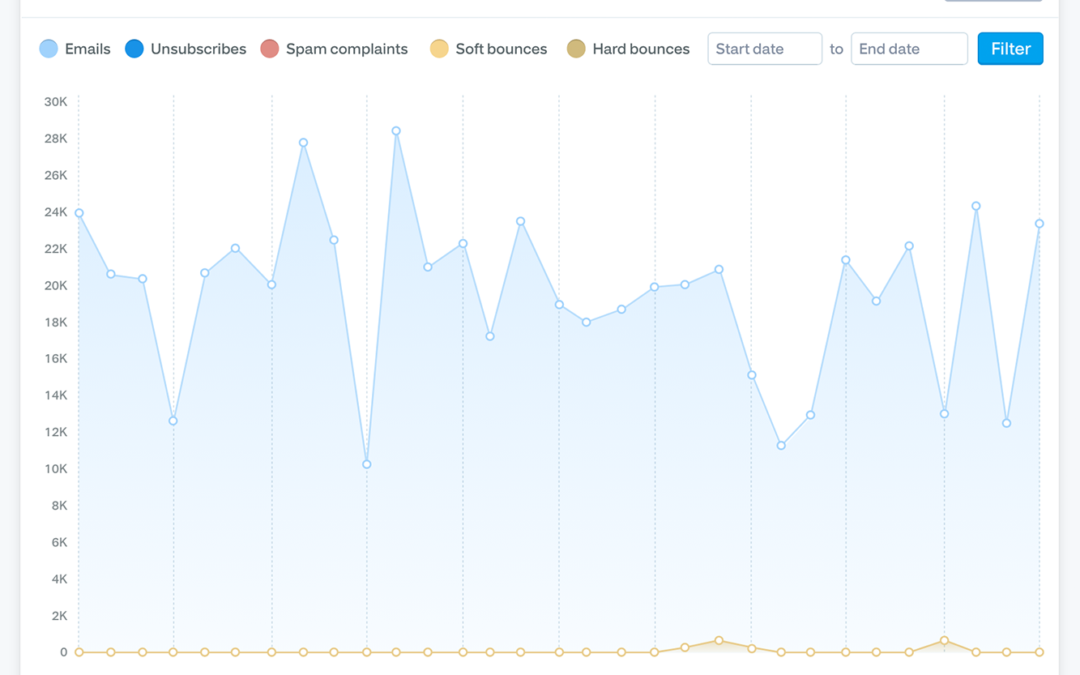
Email Analytics and Reporting
Understanding how emails perform is often essential for operational monitoring. SMTP2GO provides reporting tools that track events such as:
- Successful deliveries
- Bounces
- Spam complaints
- Delivery attempts
- Message logs
These analytics allow system administrators to review the status of outgoing emails and diagnose potential delivery issues.
API-Based Email Sending
In addition to traditional SMTP relay, some applications rely on application programming interfaces (APIs) for sending messages. SMTP2GO includes API endpoints that enable software systems to submit emails programmatically.
API-based sending can offer advantages such as:
- Structured message handling
- Integration with application workflows
- Automated error handling
- Enhanced logging capabilities
Developers may choose between SMTP or API integration depending on system architecture.
Spam and Reputation Monitoring
One challenge in email delivery is maintaining a strong sending reputation. Internet service providers monitor IP addresses and sending domains for spam activity.
SMTP2GO includes monitoring mechanisms intended to detect unusual sending behavior or high complaint rates. Maintaining sender reputation is important for avoiding delivery blocks or spam filtering.
Common Use Cases
Platforms like SMTP2GO are typically integrated into systems that require automated email delivery. Several use cases frequently appear across different industries.
Transactional Email for Web Applications
Many web applications rely on automated emails to support user accounts and system operations. Examples include:
- Account verification messages
- Password reset links
- login notifications
- security alerts
SMTP2GO can be configured to handle these transactional communications reliably.
System Notifications and Alerts
IT infrastructure often generates automated alerts to notify administrators about system conditions such as server downtime, security events, or application errors.
Routing these alerts through an SMTP relay ensures that notification emails are transmitted even if internal mail servers experience disruptions.
E-Commerce Order Communications
Online stores frequently send automated messages related to customer transactions, including:
- Order confirmations
- Shipping notifications
- Payment receipts
- delivery updates
These transactional emails must be delivered quickly and reliably, which is why many e-commerce systems integrate with cloud-based email delivery services.
Software Platform Communications
Software platforms may send emails related to user activity or system updates. Examples include:
- subscription notices
- account activity alerts
- collaboration invitations
- data export notifications
SMTP2GO can serve as the underlying delivery infrastructure for these automated communications.
Bulk System Messages
Some organizations need to distribute operational messages to large numbers of recipients, such as service announcements or scheduled maintenance notifications.
Managed SMTP services provide scalable infrastructure capable of handling these higher-volume sending requirements.
Potential Advantages
Although specific outcomes depend on implementation and usage patterns, several operational characteristics are commonly associated with managed SMTP relay services such as SMTP2GO.
Reduced Infrastructure Management
Operating a private email server requires maintenance, security monitoring, spam filtering configuration, and ongoing updates. By using an external SMTP relay provider, organizations can offload much of this infrastructure responsibility.
This approach allows development teams to focus on application functionality rather than email server administration.
Improved Deliverability Monitoring
Managed email platforms typically provide detailed reporting tools that help administrators monitor delivery outcomes. These analytics make it easier to detect issues such as high bounce rates, spam complaints, or configuration errors.
Access to delivery logs can support troubleshooting when emails fail to reach recipients.
Scalability for High Email Volumes
Applications with large user bases may generate thousands or millions of automated messages. Scaling internal email servers to accommodate such traffic can be challenging.
Cloud-based SMTP services are generally designed to handle high-volume email throughput, allowing organizations to scale their messaging systems without deploying additional infrastructure.
Standardized Security and Authentication
Email security standards continue to evolve as internet service providers implement stronger anti-spam protections. SMTP2GO includes support for authentication protocols that align with these industry requirements.
Centralizing email delivery through a managed platform can simplify the implementation of these standards across multiple systems.
Limitations & Considerations
While SMTP relay services can simplify email delivery infrastructure, organizations should also evaluate several potential limitations before adopting any managed platform.
Dependence on Third-Party Infrastructure
Using an external email delivery service introduces reliance on third-party systems. If the provider experiences outages, maintenance interruptions, or network issues, email delivery could be affected.
Organizations that require complete infrastructure control may prefer self-hosted solutions.
Configuration Requirements
Although SMTP relay services simplify many technical tasks, proper configuration remains necessary. Incorrect DNS records, authentication settings, or sending domain policies can lead to delivery problems.
Initial setup often involves coordination between system administrators and domain management teams.
Cost Structures for Large Sending Volumes
Cloud email services typically operate on usage-based pricing models. Organizations sending extremely large volumes of messages may need to carefully evaluate pricing tiers and operational costs.
In some cases, high-volume senders explore dedicated infrastructure or hybrid solutions.
Compliance and Data Handling
Email communications may involve personal or sensitive information depending on the application. Organizations must consider regulatory requirements related to data protection, privacy, and email retention policies when selecting a delivery platform.
Ensuring compliance with regional data protection laws is an important operational responsibility.
Who Should Consider SMTP2GO
SMTP2GO may be relevant to several categories of users who require reliable outbound email delivery but prefer not to maintain internal mail server infrastructure.
Software Developers
Developers building applications that generate automated emails often integrate SMTP relay services to handle delivery logistics. This approach simplifies application architecture while maintaining reliable communication with users.
SaaS Platforms
Software-as-a-Service platforms frequently depend on automated messaging for onboarding, notifications, and system updates. Managed email infrastructure can support these recurring communications.
IT Operations Teams
Organizations that generate system alerts, monitoring notifications, or automated infrastructure messages may use external SMTP relays to ensure consistent email delivery.
Small and Medium Businesses
Businesses without dedicated IT infrastructure teams may choose managed email delivery services as a way to avoid maintaining their own mail servers.
Who May Want to Avoid It
While SMTP2GO may suit many operational contexts, some organizations may find alternative solutions more appropriate.
Companies With Internal Mail Infrastructure
Enterprises that already operate sophisticated internal mail server environments may prefer to retain direct control over their infrastructure rather than adopting external services.
Highly Regulated Environments
Organizations in industries with strict compliance requirements—such as certain financial or government sectors—may require complete data control and internal hosting environments.
Extremely High-Volume Senders
Organizations sending extremely large volumes of marketing or transactional email sometimes deploy custom high-volume email systems optimized specifically for their operational scale.
Comparison With Similar SMTP2GO
SMTP2GO operates within a competitive ecosystem of email delivery platforms. Several services provide similar SMTP relay and transactional messaging capabilities.
Common alternatives include:
- cloud-based transactional email providers
- email API platforms
- marketing email delivery systems
- enterprise messaging infrastructure tools
Although these platforms share many core capabilities—such as SMTP relay, analytics, and authentication support—they often differ in areas including:
- infrastructure architecture
- pricing models
- developer tools
- compliance support
- geographic server distribution
Evaluating email delivery platforms typically involves assessing factors such as deliverability reputation, scalability, analytics features, and integration methods.
Organizations often conduct technical testing or pilot deployments to determine which platform best aligns with their operational requirements.
Final Educational Summary
SMTP2GO represents one example of a cloud-based SMTP relay service, a category of tools designed to simplify email delivery for applications, businesses, and IT systems. Rather than maintaining internal mail servers, organizations can route outgoing messages through managed infrastructure that handles message processing, authentication, and delivery monitoring.
The platform provides features commonly associated with modern email delivery services, including SMTP relay connectivity, authentication protocol support, delivery analytics, and API-based integrations. These capabilities allow software systems to generate automated emails without the complexity of managing underlying mail server infrastructure.
Like other managed communication platforms, SMTP2GO introduces both advantages and considerations. While it can reduce infrastructure management and support scalable email delivery, it also introduces reliance on third-party systems and requires careful configuration of authentication and domain policies.
Understanding tools such as SMTP2GO is valuable for developers, IT administrators, and organizations that depend on automated messaging systems. Evaluating email delivery infrastructure involves balancing reliability, security standards, operational control, and scalability within the broader context of digital communication systems.
Disclosure:
This article is for educational and informational purposes only. Some links on this website may be affiliate links, but this does not influence our editorial content or evaluations.